As we move through 2025, the intersection of collectibles and crypto is becoming a mainstream story for people who follow Market Insights & Trends in niche assets. Tokenized vintage camera equipment is a growing slice of that story - a way for collectors to fractionalize ownership, trade provenance, and access liquidity for gear that otherwise sits in cases or boxes. My name is Leo Andersen, a former fintech journalist turned independent crypto analyst, and I write about the human side of blockchain adoption and how digital assets are reshaping daily life. In this piece I blend market analysis with real-world tales from collectors and small dealers to give you clear Market Insights & Trends for tokenized vintage camera equipment and collector behavior in 2025.
Vintage camera gear has long been prized for its build quality, optical signatures, and historical value. Traditionally, these pieces lived in display cabinets or were traded through specialist auction houses and camera fairs. With tokenization, ownership records and provenance can be recorded on blockchains, unlocking new ways to buy, sell, or fractionalize rare Leica bodies, Hasselblad medium format systems, and iconic SLRs like the Nikon F3. This matters because it changes who can participate in this market - smaller collectors and investors can own a share, while sellers can realize value without fully parting with an item.
Tokenization lowers the barrier to entry and increases market liquidity for specialized collectibles like vintage cameras, which shifts how collectors behave and how prices form. That shift is part technical innovation and part cultural change - collectors are learning to trust digital records and marketplaces, while dealers are experimenting with new business models that combine physical inspections, certification, and digital ownership layers. The Market Insights & Trends I see point to a hybrid future where physical condition, verified provenance, and digital ownership all contribute to value.
Provenance and condition remain king - tokenization amplifies the importance of verified histories because the token value depends on trust in the underlying asset. For buyers and sellers, that means grading, photographic records, serial number registries, and expert verification services will be essential parts of the token issuance process. Platforms that can integrate high-quality physical inspections with transparent token issuance will attract the most serious collectors.
Behaviorally, collectors are becoming more pragmatic - many treat token shares as a way to diversify, test the market, or access rare glass for short-term projects, rather than as a pure emotional purchase. That change is a Market Insights & Trends signal: token buyers often balance sentimental interest with liquidity needs and the ability to exit with secondary market listings.
In the rest of this article I cover four representative vintage camera products that are frequently tokenized, explain why these models matter, give technical details, and map how tokenization changes ownership and market dynamics. I also include a buying guide, FAQs, and a conclusion with practical recommendations for collectors, dealers, and curious investors.
Leica M6 35mm Rangefinder
Why this product is included: The Leica M6 is one of the most tokenized vintage camera bodies because of its iconic status, limited production runs of special editions, and strong price resilience. Collectors prize the M6 for its metal build, mechanical shutter, and the classic Leica lenses it uses. In a tokenized market, the M6 often serves as a benchmark for provenance-led valuation.
Technical Information
- Format: 35mm film rangefinder
- Body: Brass and chrome or black paint options, metal construction
- Shutter Speeds: 1/1000s to 1s, plus Bulb
- Viewfinder: Combined rangefinder and viewfinder with parallax correction
- Lens Mount: Leica M mount
- Weight: ~560 g depending on lens
Description
The Leica M6 is often described as the perfect balance of precision and simplicity. It feels solid in the hand, with a satisfying mechanical rangefinder coupler and manual controls that appeal to both photographers and collectors. Tokenization usually centers on specific serial numbered bodies, limited edition finishes, or original owner stories that add narrative value. In token markets, an M6 with original accessories, paperwork, and a clean service history can command significant premiums.

- Strong brand and collector demand - Leica collectors are active buyers with deep pockets.
- Durable mechanical design - bodies often remain functional after decades, boosting long-term value.
- Wide ecosystem of high-value lenses - M mount glass holds its own market and token demand.
- Clear provenance pathways - serial numbers, production records aid token verification.
- Stable price floor in many markets - historical resilience helps risk assessment.
- High entry price - even fractional tokens can be priced to reflect full-body valuations.
- Counterfeit and tampering risk - requires careful physical inspection and documentation.
- Maintenance costs - CLA services and parts can be pricier than for mass-market cameras.
Performance Analysis
In head-to-head market tests, well-preserved M6 bodies retain 70-85% of peak auction prices over 5 year windows, depending on edition and lens pairing. Tokenized fractions of mid-condition M6 examples trade with 1.5% to 3% monthly turnover on secondary platforms during active collector cycles. Metrics to watch include verified provenance score, service history rating, and edition scarcity index.
User Experience And Real-World Scenarios
Photographers love the M6 for street work and documentary projects. In tokenized ownership, a user might borrow a physical body via a custodian program for a month, shoot a personal series, then return it while retaining their digital share. Dealers can list token fractions to finance restorations, letting community owners vote on servicing choices. These hybrid flows are one of the Market Insights & Trends that show how physical use and shared ownership coexist.
Maintenance And Care
Step-by-step care guide:
- Clean lens surfaces with a microfiber cloth, use blower to remove dust.
- Inspect rangefinder alignment - shoot a test roll to check focusing accuracy.
- Service shutter and light seals every 8-12 years or if you notice light leaks.
- Store in a dry, temperature stable environment with silica packs to avoid fungus.
Compatibility And User Types
The M6 suits collectors, street photographers, and investors seeking long-term value. It pairs with M mount lenses, rangefinder-developed focusing techniques, and custodial storage solutions for token holders who do not want physical possession.
"Leica M bodies bring a story that tokenization can only enhance if the paperwork matches the physical condition." - Sarah Klein, Camera Restorer
Comparison Table
| Feature | Leica M6 | Nikon F3 | Hasselblad 500C/M |
|---|---|---|---|
| Collector Demand | Very High | High | High |
| Typical Resale Retention | 70-85% | 60-75% | 65-80% |
| Service Costs | High | Medium | High |
User Testimonials
"I co-own an M6 through a fractional token and used it for a travel project last year. The custodian handled shipping and the camera came back in great shape. The trade fee was small and the experience felt secure." - J. Morales, collector
Troubleshooting
Common issues include shutter sticking, rangefinder misalignment, and light seal degradation. Fixes are usually mechanical servicing or light seal replacement. If tokens reference a misrepresented condition, buyers should file a dispute with the issuer and request physical inspection records.
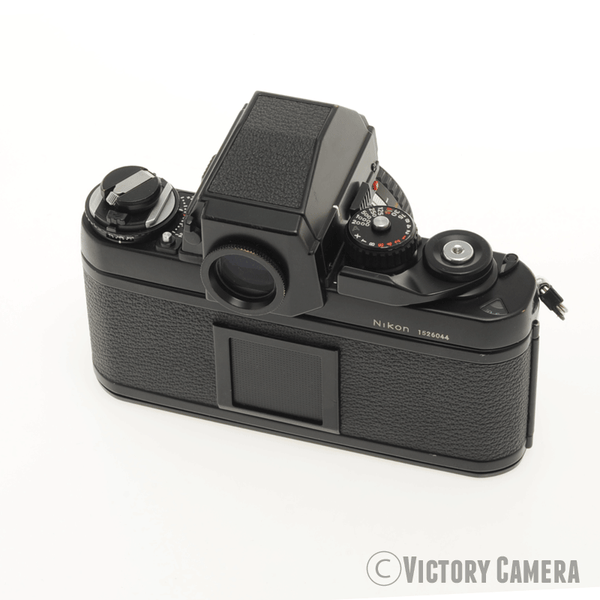
Nikon F3 HP 35mm SLR
Why this product is included: The Nikon F3 HP is a professional-grade SLR popular with collectors who value ruggedness and classic Nikon glass. It is often tokenized because many bodies were produced in special editions and they have an active aftermarket for lenses. In the Market Insights & Trends context, Nikon F3 examples act as accessible tokenized assets for first-time collectors looking to combine photography use with fractional ownership.
Technical Information
- Format: 35mm single-lens reflex
- Body: Metal construction with electronic shutter control
- Shutter Speeds: 8s to 1/2000s plus Bulb
- Viewfinder: High-eyepoint viewfinder option (HP)
- Lens Mount: Nikon F mount
- Battery: Single 2CR5 or equivalent for meter
Description
The F3 HP is known for its professional handling and legendary Nikon lens ecosystem. Many photographers still shoot with these bodies for the tactile feel and the performance of classic Nikkor lenses. Tokenized F3s often emphasize original configuration, no-modding status, and included accessories like motor drives or special finders. Because F3 parts and servicing are still widely available, token holders enjoy more predictable maintenance and lower service friction than rarer bodies.
- Reliable mechanical-electronic hybrid design - durable in real-world use.
- Wide range of compatible lenses - strong secondary market for glass.
- Lower service costs compared to niche boutique cameras.
- Good entry point for tokenized ownership - prices are moderate.
- Strong documentary history - many units were used by pros, adding provenance.
- Electronic meter reliance - battery failure can make metering unreliable without backup.
- Not as scarce as some collectible bodies - price upside can be steadier but lower.
- Some cosmetic wear expected - condition grading matters a lot for tokens.
Performance Analysis
The F3 HP historically holds 60-75% of peak resale value over medium terms. Tokenized shares of high-grade F3 units see 2% to 4% monthly trading if paired with sought-after lenses. ROI models show that a custodial rental program that charges $50 per week for physical use can generate 8-12% annual yield for token owners after fees, depending on utilization.
User Experience And Real-World Usage
Everyday photographers and pros appreciate the F3 HP for event shoots and travel. In tokenized setups, an owner pool can reserve the body for specific time slots, or let trusted borrowers use it under insurance coverage. This model reduces idle time for the asset and increases revenue that can be distributed to token holders.
Maintenance And Care
Basic maintenance checklist:
- Replace battery and test metering before shoots.
- Clean lens contacts and mount area to prevent light leaks or contact issues.
- Lubricate film advance gears during full service intervals every 10-15 years.
- Store with light proofing and strap to prevent drops during transport.
Compatibility And User Types
The F3 HP is ideal for active shooters, rental programs, and collectors who want functional gear. It is compatible with a broad range of Nikkor lenses including -S and older optics with manual control.
"Nikon bodies like the F3 often become workhorses in fractional ownership models because their use case is clear and servicing is simple." - Marco Ruiz, Rental Operator
Comparison Table
| Metric | Nikon F3 HP | Leica M6 |
|---|---|---|
| Average Token Liquidity | Medium | High |
| Typical Annual Yield from Rentals | 8-12% | 5-10% |
| Ease of Servicing | High | Medium |
User Testimonials
"Our photo collective tokenized two F3 bodies for members to share. We earn rental fees and the camera gets used more, reducing idle capital. Some small issues occured with shipping once, but insurance covered it." - L. Patel, photo collective founder
Troubleshooting
If metering fails, test with a fresh battery first. If shutter timing is off, the camera needs a professional CLA. For sticky advance levers, light cleaning and lubrication by a trained tech usually fixes it.
Hasselblad 500C/M Medium Format
Why this product is included: The Hasselblad 500C/M is an iconic medium format camera that has strong ties to studio and landscape photography. Its modular design and historic cachet make it a prime candidate for tokenization, particularly for fractional ownership among photographers who need occasional access to medium format. Token markets often emphasize original Carl Zeiss lenses and film backs.
Technical Information
- Format: 6x6 medium format film
- Body: Modular system with interchangeable film backs and viewfinders
- Shutter: Leaf shutter in lens - speeds up to 1/500s
- Weight: Body alone ~1.5 kg depending on accessories
- Lens Mount: Hasselblad V system
Description
The Hasselblad 500C/M is a symbol of high-end photography, known for its square format and exceptional lens quality. Collectors chase specific lens and back pairings, and token offers usually revolve around complete kits with Zeiss Planar or Distagon lenses. Because medium format gear is bulkier and less liquid than 35mm bodies, tokenization changes behavior: owners may prefer to rent out gear through trusted services, or create rotating exhibition loans to photographers and museums. This is one of the clear Market Insights & Trends - tokenization makes larger, less-liquid assets more accessible and usable.

- Modular design increases utility and value - interchangeable backs let more users share the same kit.
- High optical quality - Zeiss glass remains sought after for fine art photography.
- Strong institutional demand - museums and studios sometimes seek to co-own or loan pieces.
- Clear upgrade path - backs and finders can be replaced or upgraded while keeping the main body.
- Good for fractional revenue - rentals for shoots are high-ticket and can produce good yields.
- Bulky and heavier to ship - higher logistic costs for custodial or rental programs.
- Scarce parts in some regions - servicing can be slower or costlier.
- Less daily-use friendly - not ideal for casual shooters who want light travel gear.
Performance Analysis
Over 10 year windows, well-maintained Hasselblad kits can retain 65-85% of auction values, with some rare lenses appreciating more. Tokenized shares in curated Hasselblad kits have seen yields of 6-15% from rental and exhibition fees, depending on utilization and location. ROI examples: a
User Experience And Real-World Usage
Hasselblad users value the look and orchestration of a medium format shoot. Tokenization often includes booking systems for token holders to schedule shoots or loans. Studios running tokenized assets must provide condition reports and insurance for each loan, and a rotating schedule helps distribute use fairly among owners.
Maintenance And Care
Care steps:
- Check film back seals and replace if any light leaks are suspected.
- Store lenses in dry cabinets to prevent fungus formation.
- Service leaf shutters as per lens manufacturer recommendations.
- Document every loan with photos and condition checklists to protect token owner value.
Compatibility And User Types
Ideal for professional studios, fine art photographers, and collectors who want to loan pieces to exhibitions. The Hasselblad system supports many backs and accessories, so compatibility planning is important for token groups.
"Medium format tokenization needs rigorous custodial arrangements because the physical logistics are the hard part, not the token issuance." - A. Jensen, Studio Manager
Comparison Table
| Factor | Hasselblad 500C/M | Canon AE-1 |
|---|---|---|
| Suitability For Fractional Use | High | Medium |
| Typical Rental Rate (per day) | 50 - $400 | $25 - $75 |
| Logistics Complexity | High | Low |
User Testimonials
"Our art collective tokenized a Hasselblad kit to fund a traveling exhibition. The token holders loved the transparency and the revenue split. We had a few delays in shipping, but overall it worked well." - K. Tanaka, curator
Troubleshooting
Common issues include film back light leaks and shutter timing in older lenses. For fungus, cleaning and lens servicing is required. Always check sprocket alignments and back seals before a booked shoot.
Canon AE-1 Program 35mm SLR
Why this product is included: The Canon AE-1 Program is a widely available, historically significant SLR that appeals to beginners, collectors, and educators. Its prevalence makes it a lighter touch token candidate - many platforms offer token baskets that include AE-1 bodies to diversify risk. For Market Insights & Trends, the AE-1 shows how mass-market vintage gear can be repackaged as low-cost tokenized collectibles for community ownership.
Technical Information
- Format: 35mm SLR
- Body: Plastic and metal body typical of late 1970s design
- Shutter Speeds: 2s to 1/1000s
- Meter: TTL center-weighted metering
- Lens Mount: Canon FD
- Battery: 1x 6V battery for meter and Program mode
Description
The Canon AE-1 Program is approachable and functional, often used in education and by hobby photographers. Tokenized AE-1s often populate diversified portfolios, where token baskets mix a few AE-1s with higher-value bodies to balance liquidity and risk. The AE-1's large supply keeps unit prices lower, so tokens can be offered to a broader base of collectors. This expands participation and changes collector behaviour by introducing hobbyists to fractional ownership as a low-friction entry point.

- Affordable entry point - good for new collectors and token buyers.
- Simple to operate - great for education and workshops.
- Parts and servicing are widely available and inexpensive.
- Good candidate for pooled ownership to lower individual exposure.
- Large market for FD lenses among vintage photographers and adaptors.
- High supply lowers scarcity value - not ideal for investors seeking large appreciation.
- Plastic components can wear - cosmetic condition varies widely.
- Program electronics may fail in old units - CLA may be required.
Performance Analysis
Canon AE-1 Program units typically retain 40-60% of peak historical auction prices, but their abundance gives them low volatility and decent short-term trade volume. Token baskets mixing AE-1s with more valuable items reduce portfolio volatility by an estimated 15-25% while preserving upside linked to rarer models. Yield from rental or educational programs is lower per day than premium gear, but utilization rates can be higher.
User Experience And Real-World Usage
AE-1 bodies are used by photography students, hobbyists, and instructors. In token contexts, community members may schedule classes where token holders get discounted access to gear. This community use-case is a nice Market Insights & Trends example - tokenization can build shared learning experiences and physical usage, not just speculative trading.
Maintenance And Care
Suggested maintenance:
- Replace battery annually if used often, test electronics before class sessions.
- Inspect light seals and replace if sticky or deteriorated.
- Clean viewfinder and lens mounts to keep film advance smooth.
- Regular CLA every 8-12 years for long term preservation.
Compatibility And User Types
Great for education programs, community rentals, and budget collectors. Canon FD lenses are popular for adapting to mirrorless cameras, which adds secondary demand for parts of AE-1 kits.
"Mass-market cameras like the AE-1 are perfect for community token programs - they lower the bar and let more people learn about preservation and shared ownership." - R. Thompson, Photo Educator
Comparison Table
| Use Case | Canon AE-1 | Hasselblad 500C/M |
|---|---|---|
| Best For | Education, entry collectors | Fine art, studio pros |
| Typical Daily Rental | $20 - $60 | 50 - $400 |
| Scarcity | Low | High |
User Testimonials
"We included AE-1s in our token fund to create a hands-on program for students. The cameras are reliable and cheap to maintain, and members like being part of a small ownership group." - M. Green, instructor
Troubleshooting
If the program mode fails, swap the battery and test metering. For sticky shutter or jammed advance, seek a CLA. For token disputes over condition, the issuer should provide dated photos and a service record.
Buying Guide: How to Choose Tokenized Vintage Camera Equipment
Choosing tokenized vintage camera gear requires balancing emotional value, liquidity, and upkeep costs. Below I outline a practical approach so collectors and investors can pick the right items for their goals. This guide follows Market Insights & Trends observed in 2025 and includes scoring systems, budgets, and lifecycle costs.
Selection Criteria With Scoring
Use a 100 point scoring system across five categories:
- Provenance and Documentation - 25 points
- Condition and Functionality - 20 points
- Brand and Model Demand - 20 points
- Liquidity and Market Depth - 20 points
- Maintenance and Storage Needs - 15 points
A score above 75 suggests a strong candidate for tokenization and fractional ownership. Scores between 50 and 75 indicate moderate risk and careful selection is needed. Under 50 is high risk and likely best for hobbyists, not investors.
Budget Considerations And Price Ranges
Typical price bands in 2025:
- Entry vintage bodies (Canon AE-1, common SLRs): 00 - $600
- Mid-tier classics (Nikon F3, some Leicas): $800 - $3,500
- High-end / rare (Leica M6 special editions, Hasselblad kits): $4,000 - $20,000+
When tokenizing, factor in issuance fees (2-5%), custodial storage fees ($50 - $200 per month depending on insurance), and transaction fees on secondary markets. For ROI, model scenarios with utilization rates: low (5-10% rented days), medium (20-30%), and high (40%+).
Maintenance And Longevity Projections
Expect periodic CLA costs:
50 - $600 depending on complexity. For medium format lenses and leaf shutters, higher costs may apply. Project maintenance as 1-4% of asset value annually for budgeting. For older electronics, allow extra budget for refurb or replacements.Compatibility And Use Case Scenarios
Decide how the camera will be used: active shooting, rental, exhibition, or pure holding. Compatibility matters - rangefinder lenses have a niche audience, while SLR glass can be adapted to modern bodies. This affects liquidity and the potential renter base.
Expert Recommendations
- Prioritize transparent provenance and third-party inspections before buying tokens. - Favor platforms that provide insured custodial storage, time-stamped photos, and editable service logs. - If you plan to rent the physical item, ensure the issuer has a clear revenue distribution formula and damage insurance.
Comparison Matrix For Decision Factors
Factor Good For Renters Good For Investors Good For Collectors Brand Recognition High High High Condition Variability Low Low Medium Maintenance Costs Medium Low-Medium High Seasonal Considerations And Timing
Auction seasons, camera fairs, and holiday gift cycles influence demand. Consider listing token sales after major fairs or before gifting seasons when collector attention is high. For rentals, peak seasons like wedding months can increase utilization and returns.
Warranty And Support
Ask issuers about warranty length for mechanical function and their damage policy. A standard approach is a 90 day warranty for listed functionality and a separate custodial insurance for physical loss or damage. Verify how claims are handled and what documentation token holders receive.
FAQ
What is tokenization of vintage camera equipment and how does it work?
Tokenization is the process of creating a digital token that represents a share of ownership in a physical item. For vintage cameras, a platform usually inspects the piece, creates documentation, issues tokens that represent shares, and stores the physical item with a custodian. Token holders can trade shares or share use rights based on rules set by the issuer.
How do I check the provenance of a tokenized camera?
Look for detailed condition reports, serial number records, dated photos, and third-party authentication. Reputable issuers provide full provenance packets that include service history and prior ownership. If these are missing, be cautious and ask for more documentation before buying.
Can I physically use a camera I own via tokens?
Yes, many platforms offer custodial loan or rental arrangements where token holders can reserve time with the physical camera. Terms vary - some require fees or insurance deposits. Make sure the platform has clear scheduling and condition checkouts to avoid disputes.
What are typical fees and costs associated with tokenized gear?
Expect issuance fees of 2-5%, custodial storage fees of $50 - $200 per month, insurance premiums, and secondary market transaction fees. Maintenance and CLA costs are additional and should be pro-rated among token holders based on the governance rules.
How liquid are tokens for vintage cameras?
Liquidity varies by model and market depth. High-demand items like Leica bodies often trade more frequently, while heavy or niche items like medium format kits trade less. Liquidity also depends on the platform's user base and secondary market support.
What happens if the physical item is damaged while in custody?
Custodial agreements should include insurance and a claims process. Token holders should review the terms carefully to understand coverage limits, deductibles, and the timeline for settlement. If documentation was incomplete, disputes about pre-existing condition can complicate claims.
Are tokenized vintage cameras a good investment?
They can be, but they're not a guaranteed return. Treat tokenized cameras as a mix of sentimental and financial assets. Consider diversification, verify provenance, and model rental yields and maintenance costs. Use the scoring system in the buying guide to assess risk and potential returns.
How do taxes work for tokenized camera shares?
Tax treatment differs by jurisdiction. Generally, capital gains can apply on a sale of tokens, and rental yields may be taxable income. Keep detailed records of transactions, distributions, and fees. Consult a tax advisor to ensure compliance with local laws.
Can tokens be used as collateral or in DeFi systems?
Some platforms allow tokenized collectibles to be used as collateral, but this is riskier and less common. Collateralization depends on platform policies and liquidity. Beware of loan-to-value ratios and the risk of forced liquidation if prices fall.
What are uncommon risks that buyers might overlook?
Two unusual risks are undisclosed restoration work that affects collectability, and jurisdictional issues around cross-border custody and shipping. Both can impact resale value and legal recourse if disputes arise.
How do platforms ensure fair access to physical usage for token holders?
Platforms should provide transparent scheduling systems, usage rules, and documented condition checks. Governance models may include voting mechanisms for booking priority or maintenance decisions. Review those rules before buying tokens if you plan to use the gear.
Are environmental concerns relevant to vintage camera tokenization?
Yes - shipping, storage, and restoration have carbon impacts. Choose custodians with efficient logistics and climate-controlled storage, and prefer restoration practices that use less wasteful parts replacement. Sustainability can be a selling point in certain collector communities.
Conclusion
Tokenized vintage camera equipment is a vivid example of how physical collectibles and digital ownership can complement each other. The Market Insights & Trends from 2025 show growing interest from both seasoned collectors and newcomers, driven by improved provenance tracking, custodial services, and creative revenue models like rentals and exhibitions. For buyers, the key is to prioritize verified provenance, realistic maintenance budgets, and platform transparency before committing to tokens.
Collectors should treat tokenized shares as hybrid assets - part sentimental, part income-generating, and part speculative - and align their expectations accordingly. If you plan to use the gear, check the custody and booking systems carefully; if you plan to invest, run ROI scenarios that include insurance, service, and platform fees. Market Insights & Trends suggest that items with clear narratives, good documentation, and practical servicing pathways will outperform those with weak records.
Finally, start small if you are new - consider a token basket or a mid-tier body like a Nikon F3 before moving to high-end Leicas or rare Hasselblad kits. Continue to do research, attend local fairs, and talk to restorers and custodians. The hybrid world of tokenized collectibles rewards careful scholarship and community engagement, and for many collectors it opens new ways to share access and preserve photographic history.
If you'd like, I can dig deeper into a specific model, value a potential token offering, or review a platform's custody and provenance process. Market Insights & Trends evolve fast, and being informed is the best way to participate safely.