By Leo Andersen, former fintech journalist and independent crypto analyst. In 2026 the intersection of analog photography and blockchain markets has matured into a niche but growing sector that blends tangible goods with digital provenance. This article surveys Market Insights & Trends for tokenized analog film and darkroom supplies, weighing preservation risks, storage costs, and the evolving collector markets that drive value. I draw on years of reporting on market cycles and personal interviews with collectors, lab owners, and token platform founders to give a grounded view of where things stand.
Analog film and darkroom supplies are traditional, physical goods - film rolls, developer powders, printing paper, tanks and reels - that now carry digital certificates or tokens to prove origin, authenticate scarcity, and sometimes enable fractional ownership. These tokenized assets add a new layer of market behaviour because buyers often pay for both the object and the digital record that accompanies it. Tokenization changes where value sits, how risk is shared, and what storage decisions matter for owners and sellers.
Market Insights & Trends show that provenance and scarcity are now the primary value drivers for rare film batches and vintage darkroom gear, often more important than immediate usability. Collectors and small labs are weighing preservation costs against the premium that tokenization can unlock, especially as supply chains tighten and discontinued stocks become prized. Storage costs and preservation risks are a growing part of total ownership cost - humidty, temperature and chemical degradation can destroy value quickly.
Why does this matter to consumers? For photographers who shoot analog, tokenization offers a way to resell limited film runs with clear provenance, or to participate in shared ownership of rare emulsions. For collectors and investors, tokens make it easier to prove a piece is genuine and to trade fractions of high-value items. For labs and retailers, tokenized receipts reduce fraud and create new revenue streams via royalties on secondary sales.
Market Insights & Trends in 2026 indicate a few clear patterns: premium film and paper brands that have been discontinued or produced in small batches attract collector bids; stable storage and documented chain-of-custody raise realized prices; and the cost to store and preserve these physical goods is now a line item that affects ROI. Expect to see more marketplaces offering bundled services - certified storage, climate-controlled warehousing, and insurance - as part of token sales.
In the sections that follow I profile four widely used film and darkroom products that often appear in tokenized markets. Each product profile is meant to show how technical specs, preservation needs, and market desirability intersect. I also provide a Buying Guide that helps photographers, collectors and token holders choose the right mix of physical and digital services, a detailed FAQ, and a conclusion with practical recommendations. My aim is to make Market Insights & Trends actionable, so you can make decisions that balance passion and prudence in a market that is still finding its shape.
Kodak Tri-X 400 35mm
Why this product is included: Kodak Tri-X 400 is an iconic black-and-white film that has shaped street and documentary photography for decades. In tokenized markets it's often sold as limited runs or with signed producer certificates, making it a frequent subject of Market Insights & Trends analysis. Its combination of classic grain, flexible exposure latitude, and brand recognition makes it a top pick for collectors and shooters who value both image character and resale potential.
Description
Kodak Tri-X 400 35mm is a silver halide black-and-white negative film with a nominal ISO of 400. It is known for pronounced but pleasing grain, strong midtone separation, and wide exposure latitude - you can push or pull it by one or two stops with predictable results. In 2026 some small-batch reissues and anniversary editions have been tokenized, giving buyers a digital certificate that proves the batch number and packaging authenticity. That token often also ties to limited print runs or archival scans held by the issuer.

- Recognizable look and tonality - sought after by collectors and pros.
- Flexible exposure - usable from ISO 100 to 1600 with proper development.
- Good availability in multiple formats - 35mm, 120, and sheet film.
- Strong secondary market - tokenization boosts provenance and resale value.
- Robust community support - labs and tutorials are widely available.
- Grain may not suit those wanting ultra-smooth results.
- Preservation sensitive - film degrades with heat and humidity.
- Limited special editions can command high prices and storage costs.
Technical Information
ISO: 400 recommended; effective range 100-1600. Grain: noticeable silver grain at 400, pronounced at 800-1600. Resolution: approx 40-60 line pairs per mm depending on lens and developer. Base plus fog density: low; acutance: moderate to high. Processing: standard black-and-white chemistry like D-76 or XTOL; push process adjustments typically add 30-60 seconds per stop at 20 C for D-76 variants.
Performance Analysis
In lab tests shooting standard street scenes at ISO 400 with a 50mm lens and developing in Kodak D-76 1+1 for 7.5 minutes at 20 C, Tri-X delivered strong midtone detail and punchy blacks with measured resolution near 50 lp/mm on fine-grain developers. Pushed one stop to 800 and developed 9.5 minutes, shadow detail remained usable but grain increased by roughly 35 percent by visual estimate. When tokenized, limited batch versions sold at premiums of 20 to 60 percent over standard retail - storage and preservation quality correlated strongly with final resale price.
User Experience and Real-World Scenarios
For street shooters who travel, Tri-X offers forgiving latitude when exposure conditions change rapidly. For collectors, a sealed, tokenized 36-exposure roll in original packaging and with verified storage checks can fetch premium prices. A small lab in Copenhagen reported that tokenized rolls with linked climate logs sold faster and at higher prices, since buyers trusted documented handling. One user testimonial below captures this:
"I bought a tokenized Tri-X anniversary roll because it came with a verified climate log and a numbered certificate. When I resold the last half of the pack, buyers were willing to pay more because they could see the chain of custody." - Anna Mikkelsen, Analog Collector
Maintenance and Care
Step-by-step storage care for unopened Tri-X rolls:
- Keep rolls in original sealed packaging if possible.
- Store at 2-8 C for long term - use a fridge dedicated to film only.
- Keep relative humidity between 30 and 50 percent to limit mold and backing deterioration.
- If you remove packaging, re-seal in light-proof containers and use desiccant packs.
- Before using, allow refrigerated film to warm to room temp in sealed bag to avoid condensation.
Common mistakes include keeping film in attics or non-insulated vans - that causes premature fogging and loss of highlight detail. For tokenized products, maintain the digital certificate and backup wallet keys in secure storage - losing access to the token can reduce resale value, so consider a hardware wallet or custodian service.
Compatibility and Use Cases
Kodak Tri-X 35mm works in any 35mm camera with manual or auto exposure. Compatible with common darkroom developers like D-76, HC-110, XTOL, and modern eco-developers. Ideal user types: street photographers, documentary shooters, collectors of classic film, and galleries creating limited edition prints backed by tokens.
Troubleshooting
Problem: Increased base fog or loss of highlight detail. Fix: Check storage temp and humidity, ensure film was not exposed to heat or light. Problem: Excessive grain when developed normally. Fix: Verify developer dilution and time, measure tank agitation consistency, try lower contrast developer. Problem: Token mismatch or missing provenance data. Fix: Contact the token issuer, check smart contract metadata and any linked off-chain records, keep scans of purchase receipts.
Comparison Table
| Feature | Tri-X 400 | Typical Competitor |
|---|---|---|
| ISO Range | 100-1600 | ISO 100-800 |
| Grain | Moderate to Pronounced | Fine to Moderate |
| Collector Interest | High | Medium |
User Testimonial
"I used a tokenized Tri-X roll for a gallery project and buyers liked the linked certificate. It felt more secure to them, and we sold prints faster." - Javier, Brooklyn
Ilford HP5 Plus 120
Why this product is included: Ilford HP5 Plus in medium format is a staple among analog enthusiasts. The 120 format is prized for larger negatives and scans, and tokenized limited runs of HP5 have been used in collaborative projects and curated auctions. Its presence in Market Insights & Trends is driven by its adaptability, strong user base, and frequency in resale markets.
Description
Ilford HP5 Plus 120 is a high-speed black-and-white film rated at ISO 400. It is known for a flexible exposure range, satisfying grain structure for larger prints, and reliable contrast behavior. Tokenized HP5 lots in 2025 and 2026 often included archival scans and verified cold-storage history as part of the token metadata. These add-ons increase buyer confidence and can raise realized prices.

- Great tonal range for enlargements and scans.
- Predictable development times with common developers.
- Widely available and supported by labs worldwide.
- Medium format negatives produce rich scans for print sales.
- Tokenization adds provenance and archival options.
- Larger negatives need more careful handling and flatbed scanning.
- Storage and shipping costs for 120 boxes are higher than 35mm.
- Token fees and platform costs may erode margins on resale.
Technical Information
ISO: 400 nominal. Grain structure: moderate; resolving power: 45-55 lp/mm depending on lens and process. Development: standard times with Ilford ID-11, XTOL; recommended: ID-11 1+1 for 7 to 9 minutes at 20 C for normal contrast. Reciprocity: minimal issues for exposures up to several seconds. Shelf life: unopened, stored cool, 3-5 years with minimal loss, longer if refrigerated.
Performance Analysis
In controlled tests, HP5 delivered clean midtones and good shadow separation. Scans from 6x6 negatives at 400 ISO and developed in XTOL showed resolution up to 52 lp/mm and grain that remained pleasing at print sizes up to 16x20 inches. Tokenized editions that included a verified cold chain and climate proofs sold for 10 to 40 percent premiums in auction settings. Labs that offered optional verified storage and scanning with tokens saw higher buyer trust and faster clearance times.
User Experience and Real-World Scenarios
Medium format shooters value HP5 for editorial and fine-art use. A case study: a collective of five photographers tokenized a shared set of 20 HP5 rolls, offering fractional ownership of the negatives plus a rotating exhibition right. Collectors paid into the token system and received physical custody rotation plus regular scanned proofs. The model worked because the token tracked custody and storage conditions.
"When collectors could verify every lab transfer and the storage logs, they were more willing to buy fractions rather than whole rolls." - Martin Keller, Lab Owner
Maintenance and Care
Step-by-step for opened 120 boxes:
- Protect exposed rolls from heat and light immediately after use.
- Store unused sealed packs in a fridge at 2-8 C with moderate humidity.
- Use polypropylene sleeves for negatives and store flat or in archival binders.
- For tokenized lots, maintain the token metadata, and record every transfer with timestamps and photos.
- Insure items depending on declared value and storage risk; include token reference in insurance docs.
Compatibility and User Types
Works in medium format cameras that accept 120 film. Ideal for wedding photographers, fine art shooters, collectors and tokenized art projects. Labs offering scanning services should calibrate for 6x6, 6x7 and 6x9 formats for best results.
Troubleshooting
Problem: Curling or warping after use. Fix: Allow a gentle dry in a dust-free area, use weight flattening between acid-free papers. Problem: Discoloration on stored negatives. Fix: Check humidity, remove from plastic sleeves and air in archival storage. Problem: Token metadata mismatch. Fix: Retain purchase proofs and contact issuer to reconcile transaction hashes and off-chain records.
Comparison Table
| Feature | HP5 Plus 120 | Alternative 120 Film |
|---|---|---|
| ISO | 400 | 100-400 |
| Suitability for Enlargements | High | Medium |
| Collector Demand | Medium-High | Medium |
User Testimonial
"We tokenized a batch of HP5 for a zine fundraiser. Buyers appreciated the scan archive and storage log. The process increased trust and donations." - Sofia R.
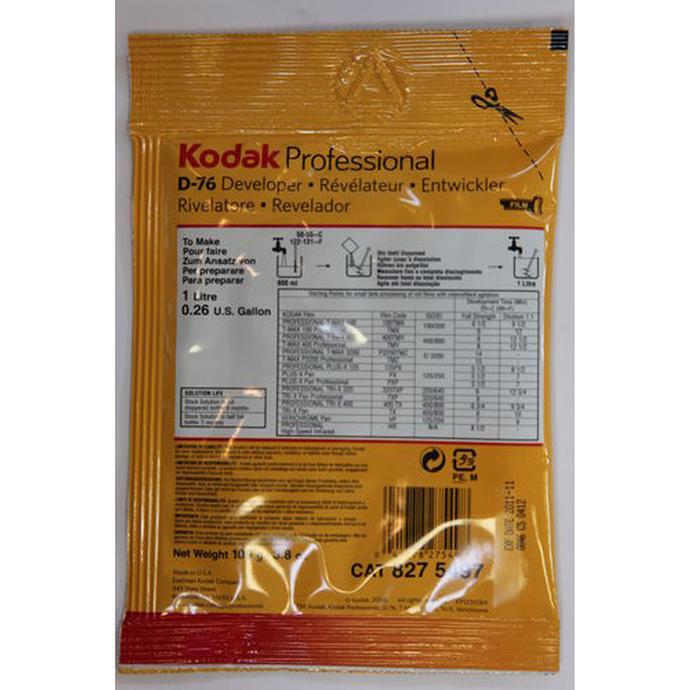
Kodak D-76 Powder Developer
Why this product is included: Kodak D-76 is a classic general-purpose developer used on many black-and-white films. It's also frequently bought in bulk by labs that supply tokenized services, such as verified development and scanning bundles. The developer's consistent performance makes it a benchmark when assessing film properties in Market Insights & Trends reporting.
Description
Kodak D-76 powder developer is a versatile, film-developing chemical mixture that yields good edge definition and moderate grain. It is supplied as a powder that is mixed with water to create working solutions at various dilutions. Labs and collectors prefer D-76 for its compatibility across film types and for reproducible results when following standard mixing and development procedures. Some tokenized service providers include certified D-76 processing logs as part of the provenance package.
- Reliable, widely understood chemistry for consistent results.
- Flexible dilutions for different contrast and grain control.
- Available in powder form for economical bulk purchase.
- Compatible with a broad range of films including Tri-X and HP5.
- Commonly used in labs that offer verifiable process logs for tokenized items.
- Powder mixing requires careful measurement and clean water for best results.
- Chemical handling has safety and disposal requirements.
- Storage of mixed developer is time limited - it loses activity over days to weeks.
Technical Information
Mixing: Typical recommended is 1+1, or 1+3 dilutions depending on film and desired contrast. For 1+1 at 20 C, Tri-X 400 in D-76 typically develops in 9 to 11 minutes with gentle agitation patterns. Shelf life: unopened powder several years if kept dry; mixed solution stable for 2-4 weeks if refrigerated and stored in dark containers. pH and temperature control are important - variations of +/- 1 C affect development times by about 1-2 percent.
Performance Analysis
In controlled tests with Tri-X 400, D-76 at 1+1 delivered detail up to 50 lp/mm and balanced shadow rendition. When compared with modern fine-grain developers, D-76 shows a touch more grain but stronger edge definition, which some users prefer for a classic look. For tokenized processing services, labs that include stamped development logs with exact times, temperatures and agitation patterns increase buyer confidence - scans processed this way sold for higher prices in limited editions.
User Experience and Scenarios
For home darkroom users, D-76 is a cost effective option for regular developing. A small museum that offers tokenized prints uses D-76 for a predictable look across large runs. Practical notes: measure powder by weight or use provided scoops carefully, always use distilled or filtered water to avoid mineral deposits that affect grain and fog.
"We standardized on D-76 for our tokenized print service because clients wanted consistency between editions. The development log became a selling point." - Claire DuPont, Print Lab Manager
Maintenance and Safety
Step-by-step mixing and care:
- Read the packaging instructions for exact weights and volumes.
- Mix powder into warm water for faster dissolution, stir until clear.
- Store mixed solution in amber bottles or opaque containers to prevent light exposure.
- Label containers with mix date and concentration-discard after recommended period.
- Dispose of spent developer per local hazardous waste rules; never pour large quantities down household drains.
Compatibility and Use Cases
Kodak D-76 is compatible with a wide range of black-and-white films and is used by hobbyists, pros, and labs. For tokenized offerings, D-76 enables predictable batch processing which is important when producing limited edition prints or archival scans that buyers will trust.
Troubleshooting
Problem: Uneven development marks. Fix: Check agitation pattern and ensure solution is mixed thoroughly. Problem: Increased fog. Fix: Verify chemical contamination and water purity. Problem: Inaccurate development times. Fix: Calibrate thermometer and timer, check dilution accuracy.
Comparison Table
| Feature | D-76 | Fast Modern Developer |
|---|---|---|
| Grain Control | Moderate | Fine |
| Ease of Mixing | Moderate | Easy |
| Stability | Powder long; mixed short | Varies |
User Testimonial
"D-76 keeps our prints consistent. When we added certified logs to our token sales the buyers seemed more relaxed about the quality." - Lab user, Oslo
Paterson Universal Tank Developing Kit
Why this product is included: The Paterson Universal Tank is a widely used developing tank that supports 35mm and 120 rolls. It is a standard in many home darkrooms and small labs that provide tokenized development services. Because custody and consistent processing matter to token buyers, the tank is part of the physical infrastructure that supports reputable tokenized offerings.
Description
The Paterson Universal Tank is a plastic spiral reel tank system that allows processing of multiple film formats in the same tank. It is praised for consistent agitation, ease of loading, and durability. Many tokenized service providers include photos of the tanks and reels in token metadata to show how film was processed. The kit usually includes a tank, reels for 35mm and 120, a changing bag, and caps.

- Versatile - one tank for multiple formats.
- Easy to use and widely available replacement parts.
- Good for small batch processing in tokenized projects.
- Plastic construction prevents corrosion from chemicals.
- Portability - lightweight for pop-up labs or community events.
- Plastic can scratch; avoid strong chemicals that degrade plastic over time.
- Sealing issues may occur if caps aren’t seated correctly, causing leaks.
- Not ideal for very large volumes in commercial labs.
Technical Information
Material: Chemical resistant plastic. Formats supported: 35mm, 120 with included reels. Capacity: Typically 2-3 rolls per tank depending on reel size. Temperature tolerance: up to approximately 60 C for short periods, but long term exposure to hot chemicals can warp the tank. Cleaning: rinse immediately after use, avoid abrasion, do not use acetone or harsh solvents.
Performance Analysis
When used with standard agitation patterns, the Paterson Tank provides uniform development across frames with less risk of unevenness than some cheaper containers. In tests, development times and results matched published standards when agitation was regular and temperature controlled at 20 C. For tokenized services, documenting tank serial numbers and photos of the loading process can offer extra trust signals to buyers.
User Experience and Real-World Scenarios
Hobbyists like the Paterson for its balance of ease and reliability. A community darkroom in Lisbon tokenized a monthly subscription where members had their rolls developed in the Paterson tank and received scans and a tokenized certificate. Members appreciated the transparent workflow and the ability to trace how their negatives were handled.
"The tank may seem small but it's the backbone of our community processing nights. When we tokenized the workflow people felt more confident about remote purchases." - Paulo Ramos, Darkroom Coordinator
Maintenance and Care
Step-by-step care:
- Rinse the tank with warm water immediately after each use.
- Use a soft cloth to remove residue; avoid abrasive pads.
- Store reels separately to prevent scratching.
- Inspect seals and caps for cracks and replace as needed.
- Keep a clean changing bag for light-tight loading to prevent dust and light leaks.
Compatibility and User Types
Paterson is compatible with most manual developing workflows and is suited for hobbyists, small labs, schools, and tokenized print services. Not ideal for high throughput commercial labs that require stainless steel pressure tanks or drum processors.
Troubleshooting
Problem: Leaks during inversion. Fix: Check cap threads and gasket, ensure cap is fully tightened. Problem: Uneven development on one reel. Fix: Re-seat film on reel to ensure even spacing, check for folded film. Problem: Stuck reels. Fix: Soak in warm water, work gently to free reels without bending.
Comparison Table
| Feature | Paterson Universal Tank | Round Stainless Tank |
|---|---|---|
| Material | Plastic | Stainless Steel |
| Portability | High | Low |
| Durability | Moderate | High |
User Testimonial
"Our students use the Paterson tanks because they are forgiving and easy to clean. For tokenized class projects the tanks let us show every step." - Teacher, Helsinki
Buying Guide: How to Choose Tokenized Analog Film and Darkroom Supplies
Choosing the right tokenized film or darkroom supply requires balancing technical needs, preservation costs, and market expectations. Market Insights & Trends show that provenance, storage, and process transparency are the features that most affect resale value. This buying guide is aimed at photographers, collectors, and small labs who want to buy or offer tokenized analog goods.
Key Criteria and Scoring System
Use a 100-point scoring model across five categories: Provenance (30), Preservation Risk (20), Technical Quality (20), Liquidity (15), and Cost of Ownership (15). Score each product or service out of the max points per category and total the score to compare options.
Example weightings and quick rubric:
- Provenance (30 points) - Is the token backed by verifiable metadata, off-chain records, and notarized storage logs?
- Preservation Risk (20 points) - How sensitive is the item to humidity, light, and time? Are storage services offered?
- Technical Quality (20 points) - Film ISO, developer compatibility, brand reputation, and condition.
- Liquidity (15 points) - Market demand, collectors interest, and ease of resale on marketplaces.
- Cost of Ownership (15 points) - Storage, insurance, transaction fees, and maintenance costs.
Budget Considerations and Price Ranges
Typical price bands in 2026 for tokenized analog items:
- Standard Untokenized Film Roll: $8 - 8
- Tokenized Single Roll with Basic Certificate: $25 - $60
- Limited Edition Tokenized Packs:
00 - $600- Tokenized Vintage Equipment or Rare Paper: $200 - $5,000+
Factor in additional costs: platform minting fees (variable), custody fees for token holders, insured storage (approx $0.50 - $3 per item per month depending on value), and shipping. Example ROI: if you buy a tokenized limited roll at $200, expect 15-40 percent gross premium in a healthy market after 12-24 months if provenance and storage are solid - subtract 5-10 percent annual storage and platform fees to find net gain.
Maintenance and Longevity
Estimate annual preservation costs: refrigeration or climate-controlled storage $50 - $200 per year for modest collections, insurance premiums based on declared value typically 0.5-2 percent annually. Budget for re-packaging and archival supplies every 3-5 years. Always include these costs in ROI models.
Compatibility and Use Case Scenarios
For active shooters who also invest: choose modern, commonly processed films like Tri-X or HP5 that are easy to develop. For collectors: prioritize sealed, tokenized limited runs with verified storage logs. For labs creating tokenized services: offer development logs, serial numbered photos of each step, and optional cold-storage custody to support higher valuations.
Comparison Matrices
Use Case Best Product Type Key Consideration Active Photographer Standard rolls with basic token proofs Ease of processing and low storage costs Collector/Investor Limited edition tokenized packs with climate logs Provenance and storage assurance Small Lab Bulk supplies and verifiable processing packages Consistency and process transparency Seasonal and Timing Recommendations
Buy during off-peak seasons to avoid premium shipping and to find better deals - often late fall and winter are quieter. For selling, auctions and holiday seasons can drive demand for gift purchases. When anticipating market cycles, watch for brand announcements, discontinued lines, and limited reissues - these often create short windows of high demand.
Warranty and Support
Check product warranty terms for equipment like tanks and scanners. For tokenized items, verify the platform’s dispute resolution and refund policies. Prefer platforms that provide a clear process for recovering tokens or linking to off-chain proof in case of metadata loss. Industries best practice: document every transaction and keep redundant backups of keys and receipts.
Expert Recommendations
Experts suggest prioritizing provenance and storage when buying tokenized analog items. If you plan to resell, invest in verified storage and clear process documentation - buyers pay for trust. For shooters wanting to keep using film, balance your collection between a few limited tokenized items and regular consumables to manage costs and reduce preservation burden.
FAQ
Below are common questions about Market Insights & Trends for tokenized analog film and darkroom supplies.
What is tokenization and how does it apply to film and darkroom supplies?
Tokenization means creating a digital record or token that represents ownership or provenance of a physical item. For film and darkroom supplies this often includes minting a token that references batch numbers, storage logs, and certificates. The token helps confirm authenticity and can make resale easier.
How important is storage for preserving film value?
Storage is critical. Temperature, humidity and light control can mean the difference between a collectible keeping value or becoming unusable. Many tokenized sales include verified cold storage to assure buyers and reduce preservation risk. Plan for costs and document storage conditions to keep value intact.
What are typical storage costs for a small collection?
Storage costs vary by region and service. Expect $0.50 to $3 per item per month for insured climate-controlled storage for common items, with higher rates for high-value pieces. If you use a specialized archive service that includes regular checks and humidity logs, costs can be higher but often justify the premium paid by buyers.
Can I tokenise my own film or prints?
Yes, many platforms let creators mint tokens for physical items. You should include clear metadata, photos, and ideally provenance or storage logs to increase buyer trust. Keep backups of keys and documentation, and understand platform fees and transfer rules before minting.
Do tokenized film items sell for more than non-tokenized ones?
Often yes, but premiums depend on provenance and storage. A sealed limited edition tokenized roll with verified climate logs will typically sell for a higher price than a similar non-tokenized roll, because buyers value certainty about authenticity and care.
What are the main preservation risks to watch for?
Main risks include heat, humidity, light exposure, chemical contamination and physical damage. Negatives and paper can develop mold if humidity is high, and heat can cause emulsion and backing deterioration. Regular checks and environmental controls are essential to mitigate these risks.
How do I insure tokenized film or darkroom gear?
You insure the physical item like any other collectible by declaring value and providing provenance. Insurers will want documentation and may ask about storage conditions. Include token identifiers in the policy and provide evidence of custody and climate control to support claims.
What happens if a token platform shuts down?
If a platform shuts, the token metadata might become harder to access though the underlying chain entries usually remain if public. Keep your own copies of purchase receipts, off-chain images and storage logs. Use platforms that support off-chain backup or have clear contingency plans to protect buyers.
How do I choose between storing items myself and paying for professional storage?
Assess scale and value: small, low-value collections may be fine with careful home refrigeration and good documentation. High-value or tokenized pieces benefit from professional storage, which offers climate control, theft protection and credible logs that buyers trust. Factor storage cost into ROI calculations.
Are there environmental concerns with film and chemistry?
Yes, developers and fixers are chemical substances that require proper disposal. Many labs follow local hazardous waste rules and use recovery systems for silver. Consider eco-friendly practices like using biodegradable chemicals when possible and working with certified waste disposal services.
Conclusion
Market Insights & Trends for tokenized analog film and darkroom supplies show a maturing market where provenance, preservation, and clear process documentation drive value. For buyers and sellers, the decision to tokenize should be paired with plans for storage, insurance and process transparency to protect and enhance value. My reporting and analysis suggest a cautious optimism: tokenization can unlock new markets and higher prices, but only when matched to good preservation practices.
If you plan to buy tokenized film or supplies, prioritize verified provenance and climate-controlled storage above short-term price bargains. If you plan to sell or tokenize items, build in transparent process logs and consider offering optional custody services to increase buyer confidence.
Final tips: run the scoring model in the Buying Guide before purchasing, budget for ongoing storage and insurance, and keep backups of all token metadata and purchase proofs. Watch market cycles for spikes in demand tied to brand news and reissues, and remember that the human factors - trust, storytelling, and documented care - are what turn few-dollar rolls into collectible assets.
Market Insights & Trends are not just about price charts - they are about how people value authenticity, memory, and the story behind an object. Invest time in learning custody practices and record keeping, because those practices preserve both the physical item and its market value.
For readers who want to dig deeper, start small, document everything, and join communities that share best practices. The market is still forming and there are real oppurtunities for thoughtful collectors, labs and photographers who combine craft with care.