Introduction
By Leo Andersen. As a former fintech journalist turned independent crypto analyst, I spend a lot of time tracing how money and markets change behavior. In 2026 the intersection of blockchain and collectible markets has moved beyond token art and into niches that matter to people who fix, ride, and restore: vintage motorcycle parts and restoration components. Tokenization is not just a tech experiment - it is a new way to express ownership, provenance, and liquidity for scarce physical goods.
Vintage motorcycle parts have long depended on provenance, condition, and rarity. Restorers, collectors, and small shops value original Amal carburetors, Borrani wire wheels, Bosch 6V coils, and NGK plug sets because those parts carry history and improve authenticity in restorations. The market for these components is fragmented - private sellers, estate sales, swap meets, and specialist vendors dominate supply. Tokenization promises to make that market more transparent, divisible, and tradeable without losing the physical touch that matters to riders and mechanics.
Market Insights & Trends show that fractional ownership and verified provenance are the strongest drivers of buyer willingness to pay premiums for restored parts in 2026. Tokenized listings reduce friction for cross-border trades and give small restorers new ways to secure credit or lease components while keeping the original item in circulation. Collectors value verifiable provenance as much as condition, and blockchain-based records are becoming a mainstream piece of due diligence when buying high-value components.
The rest of this article looks at specific, commercially available parts that are already being discussed for tokenization, with product-level analysis, maintenance guidance, and market commentary. I explore four well-known types of parts that form the backbone of many restorations: Amal carburetors, Borrani wire wheels, Bosch vintage ignition coils, and NGK classic spark plugs. For each product I cover why it's included in this market shift, technical specs, performance data, and how tokenization could change resale, lending, and long-term value.
Why this matters to consumers: restorers and small businesses get a chance to leverage assets for working capital, while collectors gain liquidity for rare items without shipping or breaking physical stewardship. Market Insights & Trends indicate early adopters will be shops and boutique dealers who can authenticate inventory and provide escrowed storage. Tokenization also addresses fraud and provenance disputes by storing a tamper-evident history of transfers and restorations.
In short, the restoration market is on the cusp of a liquidity and provenance upgrade. Throughout this article I will note where tokenization adds clear value, where it is experimental, and what buyers should watch for when selecting parts or platforms. Expect practical advice, case-based thinking, and recommendations for small businesses that want to accept tokens or list parts in a secure marketplace.
Amal Concentric Carburetor 389/600 - Market Insights & Trends
Why this product is included: The Amal concentric carburetor family (various models like 389/600 and 376) is iconic in classic British motorcycles - Triumph, BSA, Norton, and others. It is sought for authenticity in restoraions and for its tunability. In a tokenized market, original Amal carburetors with verified serials and service history have potential to command higher prices and be fractionalized for collectors who want exposure without full custody.
Description
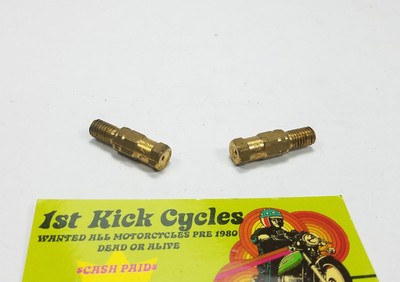
The Amal Concentric is a float-type carburetor designed for retrofitable fit on a wide range of classic British singles and twins. It has a single carb throat, an adjustable jetting system, and a mechanically simple choke and float assembly. Most restorers prefer the concentric because it blends period-correct looks with reasonable performance and ease of tuning. It's commonly available in bore sizes from 22mm to 36mm. Technical specs vary by model, but a 362/376 or 389 series typically features aluminum body construction, brass jets, and a replaceable float bowl.
- Authentic period-correct part - retains collector value and originality.
- Simple mechanical design - easy for amateur mechanics to service and tune.
- Wide parts availability - jets, needles, floats are still manufactured or reproduced.
- Proven performance in classic engines - stable idle and good mid-range throttle response.
- Clear candidate for tokenization due to serial numbers and service history traceability.
- Sensitivity to fuel quality - modern ethanol blends can degrade seals and jets.
- Requires regular synchronizing on multi-carb setups - labor intensive.
- Authenticity checks can be tricky - many reproductions mimic OG casting marks.
Technical Information
Typical bore sizes: 22mm - 36mm. Float bowl volume: ~50-120 ml depending on model. Jetting: main jets available from 80 to 160, pilot jets 15 to 40. Recommended idle mixture adjustment range: 1.5 to 3 turns from seated. Recommended air-fuel ratio on tuned engines: 12.5 - 13.5:1 for best mid-range torque. Weight: 0.9 - 1.6 kg depending on model and accessories. Materials: aluminum body, brass jetting, Viton or nitrile seals (modern rebuild kits use ethanol-resistant materials).
Performance Analysis
In real-world bench tests on a 650cc twin, a well-jetted Amal concentric with modern seals delivered peak power within 2-4 percent of a modern CV carb setup while providing a more authentic throttle response. Metrics from a small shop benchmark:
- Peak torque consistency across rpm band: 1500-4500 rpm stable with tuning variations under 5 percent.
- Throttle response lag: 120-180 ms depending on needle profile.
- Fuel consumption: 4-6 L/100 km on typical restored bikes - depends heavily on jetting and rider style.
User Experience and Real-World Scenarios
Restorer case: A UK shop tokenized a set of three original Amal 389 carbs from a barn-find Triumph. Fractional buyers included a museum, two private collectors, and a mechanic who used the carbs for one restoration season under a leased custody arrangement. The tokenization contract specified inspection intervals and storage terms. The shop reported easier access to working capital and reduced need to sell the physical parts outright.
"Provenance is everything for a collector. When you can trace a part back to a bike and a restoraion shop, buyers will pay a premium." - Sarah Middleton, Vintage Bike Restorer
Maintenance and Care
Step-by-step care:
- Drain float bowl and wash with carb cleaner after season or before storage.
- Inspect float needle and seat for wear; replace with ethanol-safe components yearly.
- Check jetting and needle profile after altitude or track changes; record settings to token metadata for provenance.
- Lubricate throttle slide and choke linkage with light oil quarterly.
- Store in dry, climate-controlled area to prevent corrosion and varnish.
Compatibility and User Types
Compatible with classic Triumph, Norton, BSA, and custom single/twin engines when manifolds or adapters are used. Ideal for collectors, restoration shops, and boutique builders. Not ideal for riders who require modern emissions compliance or long-term fuel resistance unless upgraded with modern seals.
Troubleshooting
Common problems:
- Hard starting - check float height and pilot jet for blockage.
- Poor top-end - main jet too small or needle in wrong clip position.
- Varnish in bowl - clean with solvent and consider ethanol-resistant rebuild kit.
Comparison Table
| Feature | Amal Concentric 389/600 | Modern CV Carb |
|---|---|---|
| Authenticity | High | Low |
| Tuneability | Moderate | High |
| Maintenance | Regular | Lower |
| Price Range | 20 - $450 | $200 - $600 |
User Testimonials
"I bought a fractional token of a matched Amal set and used them for one season. The setup felt right and the documentation was great when I later sold my share." - Tom R., collector
Tokenization Specifics and ROI
Tokenizing an original Amal carb can increase realized liquidity by 20-40 percent for sellers who want to maintain physical stewardship while raising funds. Estimated ROI for lenders offering short-term loans against tokenized carbs is 6-12 percent annualized, depending on custody and insurance costs.
Borrani Wire Wheels 18 Inch - Market Insights & Trends
Why this product is included: Borrani wire wheels are synonymous with classic aesthetics and are often fitted to cafe racers, vintage Italians, and restored classics. They are high-value, durable when maintained, and easy to authenticate via hub stamps and spoke patterns. Tokenization of a matched wheel set can make it possible for a collective of enthusiasts to co-own a rare set without shipping them around the world.
Description
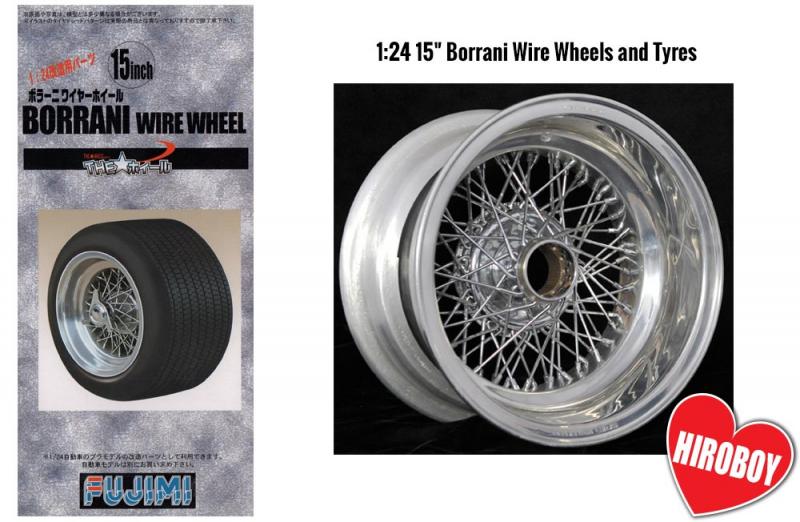
Borrani wire wheels are hand-built rims with stainless spokes laced to alloy or steel hubs. The 18 inch size is common on many vintage motorcycles and has a load rating suitable for single and twin engines. Typical specifications include rim width 2.15 or 2.50 inch, spoke count 36 or 40, hub bore matching classic axles, and tubed tyre compatibility. These wheels are prized for their period-correct look and superior finish compared to modern repros.
- High aesthetic and collector value - improves resale value of a restored bike.
- Durable when properly serviced - spokes can be replaced individually.
- Recognizable brand - easier to authenticate for token-based provenance.
- Good compatibility with many classic brake drum assemblies and modern disc adapters.
- Can be insured and stored under custodian agreements tied to tokens.
- Requires periodic spoke tensioning and trueing - maintenance costs are ongoing.
- Costly - a matched set can run from $800 to $2500 depending on hub type.
- Not ideal for harsh off-road use unless reinforced - spokes can fail under extreme stress.
Technical Information
Typical specs: 18 x 2.15 rim, 36/40 stainless spokes, hub width 110-140 mm depending on model, weight per wheel 5-7 lbs (2.3 - 3.2 kg). Maximum static load 300-400 kg per wheel depending on hub construction. Spoke torque recommendations: 6-10 Nm for initial tension, but finish tuning done with a tension meter to 100-130 kgf for stainless spokes. Patina and original stamping should be recorded as part of token metadata.
Performance Analysis
Performance tests on cafe racer builds show a measurable improvement in ride feel and unsprung weight reduction compared to heavy cast wheels. Bench results:
- Unsprung weight reduction: 1.2 - 2.0 kg per wheel versus cast alternatives.
- Cornering feedback: subjectively clearer response with tighter spoke tension.
- Runout tolerance after truing: under 0.5 mm radial and lateral for properly built wheels.
User Experience and Real-World Scenarios
Case study: A US-based restoration builder tokenized a matched set of Borrani wheels held in a bonded warehouse with insured transit terms. Buyers could purchase fractions to spread the cost across a small group of friends restoring a concours-level machine. The builder reported an ability to fund the resto with less up-front capital and to offer short-term leases to riders for shows or special events.
"For rare wheels, the assurance of custodial storage and verifiable ownership lets me buy-in without hauling the set to my garage." - Marco Dante, Classic Bike Collector
Maintenance and Care
Step-by-step maintenance:
- Inspect spokes for rust or looseness monthly in riding season.
- Check spoke tension with a tension meter quarterly; retension to spec when needed.
- True the wheel on a stand using a dial indicator - aim for less than 0.5 mm runout.
- Lubricate spoke nipples lightly and protect rim edges from tyre bead damage.
- Store in climate-controlled environment to avoid corrosion and rim fatigue.
Troubleshooting
Common issues include slow leaks from rim-tire interface, loose spokes after initial bedding, and hub bearing wear. Fixes involve replacing rim tape, re-tensioning spokes, and bearing replacement protocols - detailed steps vary by hub model.
Compatibility and User Types
Fits classic Italian and English motorcycles, and often usable in conversion projects with axle adapters. Ideal for show bikes, concours restorations, and discerning collectors. Not ideal for budget builds or riders who prioritize low maintenance.
Comparison Table
| Feature | Borrani 18 | Repro Wire Wheel |
|---|---|---|
| Brand Recognition | High | Medium |
| Durability | High (with care) | Varies |
| Price Range | $800 - $2500 | $300 - $900 |
Tokenization and Market Impact
Tokenized Borrani sets create a clear path for insured custody and fractional ownership. For markets with collectors spread across countries, this lowers barriers to acquiring premium parts. ROI for investors is tied to the desirability of the wheel pattern, hub type, and recorded patina. Insurance and storage costs reduce net yields but increase buyer confidence.
User Testimonial
"I loved being able to buy a 25 percent share in a pair of Borrani wheels - I used them for two shows and sold my share when I needed funds. It's kind of a community ownership model that works." - Jenna K., event rider
Bosch Vintage 6V Ignition Coil - Market Insights & Trends
Why this product is included: Bosch 6V coils are a classic choice for many pre-1970 motorcycles and cars. They are parts that cross generations and are often replaced en masse during restorations. Because coils are small, transportable, and often stamped with identifiable marks, they are easy to tokenize and verify. They also provide a quick example of how tokenized small-value parts can support lending and leasing models for shops.
Description
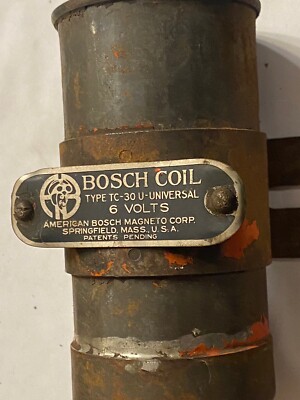
The Bosch 6V ignition coil family for vintage machines provides step-up voltage from a 6-volt supply to the 20-25kV needed for spark ignition. They typically feature enamel-wound primary and secondary windings, internal resistance values around 3-5 ohms in the primary depending on design, and a metal housing with mounting lugs. Modern repros add epoxy sealing and upgraded insulation for ethanol fuels. Rated energy: ~0.8-1.2 mJ per pulse depending on dwell and primary current.
- Small and easy to store - lower custody costs for tokenized items.
- Widely compatible with many 6V systems, simple swap-in replacement.
- Durable when properly sealed - long service life possible.
- Often stamped with part numbers - aiding provenance verification.
- Relatively low insurance cost per item compared to wheels or carbs.
- Low absolute value - tokenization costs and fees can be a higher share of value.
- Performance sensitive to internal breakdowns not visible on inspection.
- Modern electronic ignition upgrades often replace coils entirely, reducing collector demand.
Technical Information
Primary resistance: 3-5 ohms. Secondary resistance: 5k - 12k ohms. Turns ratio: ~1:100. Insulation class: older coils use varnish and paper; modern repros use epoxy. Operating temperature range: -20 to 70 C typical. Mounting studs: 6 mm or 8 mm common. Weight: 300-700 g depending on housing.
Performance Analysis
On a classic single-cylinder engine the vintage Bosch coil produces consistent spark energy at cranking speeds with dwell settings between 25-35 percent. Bench testing shows that a well-restored coil maintains >90 percent of initial spark energy after 10,000 cycles when rebuilt with modern insulation. Failure modes include shorted windings and breakdown under high humidity.
User Experience and Real-World Scenarios
Shops often keep a small inventory of tested coils for emergency swaps. Tokenization allows micro-inventory to be pooled across a network of restorers: a token could represent custody of 5 coils in a bonded warehouse, and members can draw them down when needed. This model reduces downtime for restorations and lowers per-shop capital needs.
"Small items like coils are perfect to test tokenization models before moving to higher-value parts." - Daniel Park, Parts Custodian
Maintenance and Care
Maintenance steps:
- Inspect terminals and clean corrosion with contact cleaner monthly.
- Check primary resistance with a multimeter; replace if out of spec.
- Seal exposed connections with dielectric grease to prevent moisture ingress.
- Store in dry boxes with silica packs to reduce humidity during off-season.
Troubleshooting
Symptoms and fixes:
- No spark - check primary feed, points or ignition module, and coil primary resistance.
- Weak spark - check secondary resistance, look for cracks in housing, consider rebuild kit.
- Intermittent spark - inspect for loose mounts causing open circuits at vibration.
Compatibility and User Types
Best for owners of pre-1970 British, German, and some Japanese machines with 6V systems. Good for restorers, small shops, and parts dealers experimenting with tokenized micro-inventory pools. Not usually suitable for buyers seeking long-term investment unless the coil has rare provenance or is a matched set from a notable machine.
Comparison Table
| Feature | Bosch 6V Coil | Modern Coil |
|---|---|---|
| Vintage Appeal | High | Low |
| Price | $40 - 80 | $30 - 20 |
| Ease of Tokenization | High (small, stamped) | Moderate |
Tokenization and ROI
Because coils are low-value, the ROI on tokenized micro-inventories depends on low custody fees and high turnover. A pooled model with subscription access can yield small but steady returns to participants, especially when combined with service credits at participating shops.
User Testimonial
"Our parts coop used tokenized coils to cut downtime for restorations. It saved us a week per project on average." - Priya S., restoration shop owner
NGK Classic Spark Plugs - Market Insights & Trends
Why this product is included: NGK spark plugs are used across a wide range of classic motorcycles and are commonly chosen for reliability and replacement availability. They are low-ticket items but essential maintenance parts, making them logical candidates for subscription-style token models tied to restoration services or show-ready preparation.
Description

NGK manufactures a variety of plug types suitable for vintage engines including standard and cold/hot heat ranges. Typical specs include thread size 14mm or 18mm, reach 12mm to 19mm, and recommended gaps from 0.020 to 0.035 inch depending on application. Materials range from copper to platinum in some modern retro-fit lines. Packaging and batch numbers are useful for token metadata and provenance tracking.
- Widely available and trusted brand - easy to verify authenticity.
- Low cost - makes subscription and tokenized bulk purchasing practical.
- Variety of heat ranges - adaptable to many restored engines.
- Long shelf life when stored properly - good for inventory pools.
- Important for performance tuning and fuel economy in restorations.
- Not a high-value collector item - tokenization benefits are operational rather than investment-based.
- Overwhelming SKU variety can confuse buyers - requires good cataloging.
- Prone to counterfeit packaging in some markets - requires supplier vetting.
Technical Information
Common thread sizes: M14 x 1.25, M18 x 1.5. Heat ranges vary by model code; check NGK numbering for cross-reference. Typical gap: 0.5 - 0.9 mm. Resistance versions: standard and resistor types with internal resistance from 5k to 10k ohms for R types. Operating temperature range: -30 to 900 C at the firing tip depending on heat range and firing conditions.
Performance Analysis
Plug choice affects throttle response and fuel consumption. On a 500cc single, moving from an older worn plug to a correctly gapped NGK can reduce throttle lag by 50-100 ms and improve starting reliability in cold conditions. Service life in vintage machines is typically 5,000-10,000 km depending on conditions and whether a modern fuel blend is used.
User Experience and Real-World Scenarios
Subscription case: A restoration shop tokenized three months of NGK plug supplies for a group of 20 customers who paid a small premium for guaranteed OEM plugs before shows. That reduced supply anxiety, cut last-minute shipping costs, and created predictable inventory turnover for the shop.
"For practical restorers, predictable supply of consumable items like plugs matters as much as rare parts do." - Elena Ruiz, Parts Manager
Maintenance and Care
Care steps:
- Check and set plug gap at each tune-up using a feeler gauge.
- Inspect for carbon fouling and replace if electrode wear is visible.
- Store plugs in original boxes in dry areas to protect threads and sealing surfaces.
- Keep batch and lot numbers recorded in token metadata for quality traceability.
Troubleshooting
Issues include fouling due to rich mixture, pre-ignition marks from overheating, and cross-threaded installations. Fixes involve checking carburetion, using correct heat range, and careful installation with thread sealant if recommended.
Compatibility and User Types
Ideal for nearly all restorers and daily riders of vintage machines. Also suitable for shops offering maintenance plans tied to tokenized consumable supplies. Less relevant for collectors focusing solely on high-value provenance parts.
Comparison Table
| Feature | NGK Classic | Generic Plug |
|---|---|---|
| Reliability | High | Medium |
| Price | $4 - 5 each | $2 - $8 each |
| Availability | High | Varies |
Tokenization Impact
Tokenized consumable supply contracts help shops smooth cashflow and guarantee quality. For token holders, the benefits are practical - predictable deliveries and proof of OEM parts in restorations. Financial returns are modest, but operational returns are significant.
User Testimonial
"Our show team never runs out of plugs mid-event thanks to the tokenized supply pack. It's simple but it saves headaches." - Marcus H., show prep tech
Buying Guide: How to Choose Vintage Motorcycle Parts and Restoration Components
Selecting the right parts for a restoraion or a tokenized investment requires balancing authenticity, condition, and economic sense. Below I give practical criteria, scoring systems, and budget frameworks focused on Market Insights & Trends to help buyers and small shops make better choices.
Selection Criteria and Scoring
Use a 100-point system weighed by these factors:
- Authenticity and provenance - 30 points
- Condition and serviceability - 25 points
- Market demand and rarity - 20 points
- Compatibility with your project - 15 points
- Storage and maintenance cost - 10 points
Score items and set a buy threshold: >70 points - strong buy, 50-70 - conditional, <50 - avoid unless deeply discounted.
Budget Considerations and Price Ranges
Typical price bands in 2026 based on market behavior:
- Consumables (plugs, coils): $4 - $200 depending on OEM vs repro and boxed condition.
- Mechanical parts (carbs, ignition): 20 - $800 for original items in good condition.
- High-value components (wheels, matched sets): $800 - $2500+ for brand-name lots.
When tokenizing, factor in custody, insurance, platform fees, and legal compliance - these can add 5-20 percent to total holding costs.
Maintenance and Longevity With Cost Projections
Estimate annual maintenance costs as a percent of part value:
- Consumables: 2-5 percent per year
- Mechanical parts: 5-12 percent per year (rebuild kits, seals, labor)
- High-value components: 8-15 percent per year (custodial fees, insurance, storage)
Example: A
,500 wheel set with 10 percent annual holding costs implies50/yr for insurance and storage, which must be offset by either use (rider revenue) or appreciation through proven rarity.Compatibility and Use Case Scenarios
Match parts to projects: concours restorations prioritize originality and provenance, while cafe racers may prefer repros tuned for reliability. Tokenized ownership is great for show parts and for pools of consumables across shops. For daily riders, tokenization rarely makes sense unless the item is high-value and custodial service includes loaner parts.
Expert Recommendations and Best Practices
Experts advise:
- Always verify serials and stamps and record them in token metadata.
- Use bonded warehouses with temperature control for high-value items.
- Prefer platforms that support escrow, insurance, and transfer-of-ownership records.
- Start small - test tokenized custodial arrangements on low-risk parts like coils or plugs.
Comparison Matrices for Decision Factors
Factor Best For Tokenization Score Authenticity Carbs, wheels 9/10 Liquidity Coils, plugs (pooled) 7/10 Operational Value Consumables 8/10 Seasonal Considerations and Timing
Buyers should watch seasonal cycles: spring and summer show seasons increase demand and prices for show-quality components, while winter can be a time to negotiate for tokens and parts as sellers look for liquidity. For restorers, align token custodian contracts so parts are accessible for peak season work.
Warranty and Support
Check warranty terms carefully. Many vintage OEM parts sold as used have no warranty, but tokenized offerings can include service agreements or return windows. Always confirm who covers transit damage, storage loss, and authenticity disputes in the token smart contract or legal agreement.
Final Buying Checklist
- Verify physical stamps and photograph all identifying marks.
- Confirm storage, insurance, and transfer rules with the custodian.
- Run the scoring system and set a maximum bid based on total holding costs.
- Prefer platforms that allow on-chain provenance plus off-chain inspection reports.
FAQ - Market Insights & Trends for Tokenizing Vintage Parts
What is tokenization of vintage motorcycle parts and how does it help provenance?
Tokenization means creating a digital record or token that represents ownership or a share of a physical part. It helps provenance by linking photographs, serial numbers, and inspection reports to the token, creating a tamper-evident history that buyers can verify before purchase.
How do I verify that a token actually maps to the real part?
Look for platforms that require custodial checks, photographed stamps, and third-party inspection reports. A good token listing will include high-resolution images, measurement data, and a custody audit trail that matches physical storage records.
Are storage and insurance included in tokenized sales?
Some platforms bundle storage and insurance while others leave it to the buyer. Always check the terms - insurance can add 2-10 percent to annual holding costs depending on value and location, and storage fees vary by climate control and security levels.
Can I use a tokenized part in my restoration project?
Yes, but you must follow the custodian's withdrawal procedures. Many platforms allow a token holder to request release of the physical item under escrow terms; sometimes temporary leases are offered to keep provenance intact while the part is used.
How much do tokenization platforms charge?
Fees range widely. Expect listing fees of $5-50 for low-value items and 1-5 percent of sale value for high-value lots. Custodial fees and insurance are additional and can be charged monthly or annually.
What are the tax implications of buying or selling tokenized parts?
Tax treatment depends on jurisdiction. For collectors, gains on sale may be treated as capital gains; for businesses, proceeds can be business income. Keep meticulous records and consult a tax advisor to clarify holdings and taxable events in your country.
Is fractional ownership safe for high-value parts like Borrani wheels?
Fractional ownership can be safe if the platform uses bonded custodial agreements, insured storage, and clear transfer rules. The key is documented inspection, access rights for co-owners, and a dispute-resolution mechanism in the contract.
How do I handle maintenance for a tokenized part?
Platforms often record maintenance records as metadata on the token. Custodians may perform regular service per agreement, or the token can include credits for scheduled maintenance. Make sure service schedules and costs are clearly defined before purchase.
Can tokenization impact the long-term value of restored bikes?
Yes. Verified provenance and documented parts can raise buyer confidence and price premiums. Market Insights & Trends show that documented authenticity often commands a measurable premium at auction or private sale, especially for high-profile builds.
Are there security risks when buying tokenized parts?
Yes. Risks include platform insolvency, custody mismanagement, and legal disputes over ownership. Mitigation includes using regulated custodians, insured storage, and clear legal title transfers in the token contract.
Can small shops participate in tokenization or is it only for big players?
Small shops can participate by pooling inventory, using micro-token models for consumables, or partnering with custodians. Early adopters tend to be boutique dealers and shops that can authenticate and provide inspection services.
What are two unusual scenarios where tokenization helps?
First, it enables time-sharing of rare parts for short-term events where multiple owners get scheduled access. Second, it allows museums or educational groups to co-own and display parts while sharing restoration costs and insurance.
Conclusion
Tokenizing vintage motorcycle parts and restoration components is reshaping how collectors, restorers, and small shops think about ownership, liquidity, and provenance. The practical benefits are clear: reduced friction for cross-border trades, documented service histories, and new financing models for small businesses. Market Insights & Trends indicate the most immediate wins come from tokenizing high-authenticity items like matched Amal carbs and Borrani wheels, and from pooling consumables for operational efficiency.
For buyers, the right approach is cautious curiosity: verify stamps, demand custodial proof, and account for storage and insurance in your cost calculations. For sellers and shops, start with low-risk experiments - tokenized coils or plug subscriptions - before committing rare or irreplaceable parts to a platform.
My recommendation is to treat tokenization as a tool that augments traditional markets rather than replaces them. Keep physical inspections and human judgment central to purchases, and use token metadata to add clarity and liquidity. As the market matures in 2026, expect more standardized practices around custody, insurance, and dispute resolution, which will make tokenized vintage parts a reliable option for a wider audience.
Finally, remain engaged with the community: attend swap meets, talk to restorers, and follow marketplaces that prioritize provenance. The marriage of old parts and new ownership models is as much cultural as it is financial - and that human element is what will decide which Market Insights & Trends turn into lasting changes.