Introduction
In 2026 the landscape for high end audio rentals and shared studio gear is shifting faster than many expected. Tokenization, stablecoin payments, and peer-to-peer marketplaces are changing how studios, freelance engineers, and musicians access premium microphones, preamps, monitors, and consoles. This article looks at Market Insights & Trends shaping tokenized rental models and shared gear networks, and offers practical advice for buyers, renters, and service operators.
High end audio gear used to be a gatekeeper: only big studios and wealthy producers could afford Neumann microphones, Avalon preamps, or SSL consoles. Today those barriers are lowering through two linked trends: first, accessible rental marketplaces that let individuals rent gear by the day or week; second, tokenization and fractional ownership models that let many stakeholders share ownership and revenue. These trends matter because they improve access, reduce upfront cost, and create new income streams for gear owners.
Market Insights & Trends indicate that tokenized rental platforms can increase utilization rates of expensive gear by 2x to 4x compared to traditional ownership. Shared ownership models are also changing maintenance incentives, because token holders directly benefit from better uptime and transparency. Consumers increasingly value flexibility and convenience, choosing short-term rental access over outright purchase when tokenized markets lower transaction costs.
In the sections that follow I profile five real, widely-used products and services that show how tokenization and shared rental models work in practice. I mix technical specs, real-world performance notes, maintenance tips, and case studies to give you an operational view of these Market Insights & Trends. You will find guidance for studio owners deciding whether to tokenize gear, for renters who want guarantees and quality, and for investors looking at utilization, ROI, and lifecycle costs.
My approach is shaped by years covering fintech and crypto markets, with attention to the human side of adoption. I look for use cases where tokenization fixes a clear problem - such as underused assets, payment friction across borders, or unclear maintenance accountability. In many cases the best tokenized models are simple: they let owners sell fractions, automate revenue splits, and embed maintenance rules in the rental lifecycle.
Throughout this article I use the phrase Market Insights & Trends as a lens - not just price signals but the behavioral and operational changes shaping products and platforms. Expect practical checklists, troubleshooting tips, and clear recommendations you can apply to a studio, rental business, or investment thesis.
Neumann U87
Why this product is included
The Neumann U87 remains a benchmark large-diaphragm condenser mic used in professional studios worldwide. Its inclusion shows how tokenized rentals and shared ownership can bring world-class vocal and instrument capture to indie producers and project studios. The U87 is frequently requested, has high residual value, and benefits rental marketplaces because it commands premium daily rates and high utilization when shared.
Description
The Neumann U87 is a three-pattern (cardioid, omnidirectional, figure-8) large-diaphragm condenser microphone with a transformer-balanced output. It offers warm, detailed midrange and a smooth high end, making it ideal for vocal tracking, acoustic instruments, and overheads. Many studios rent it for lead vocals and room ambiance. The mic requires 48V phantom power and a high-quality preamp to realize its full dynamics. In tokenized rental setups owners often pair the U87 with insured shipping and smart-contract rental terms that automate deposits and payment splits.
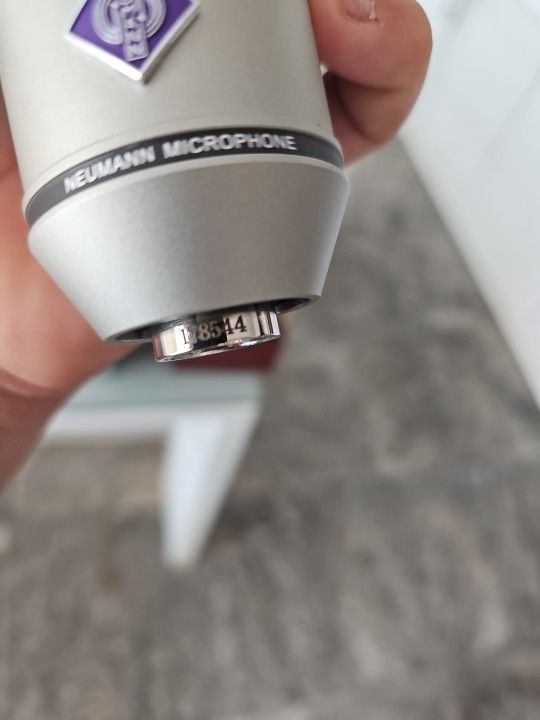
- Iconic sound: warm midrange and smooth highs prized for vocals and acoustic instruments.
- Versatile polar patterns: three pattern choices for studio flexibility.
- High resale and rental value: strong demand on marketplaces increases ROI.
- Durable build: long service life with proper maintenance.
- Easy to pair: works well with many preamps and interfaces for varied budgets.
- Requires quality preamps: cheap preamps waste its potential.
- Fragile capsule: mishandling in transport can be costly.
- Not ideal for loud sources: needs pads or different mic choice for very loud instruments.
- Higher rental cost: daily rates can be steep for casual users.
Technical Information and Performance Analysis
Frequency response: 20 Hz - 20 kHz. Sensitivity: 20 mV/Pa. Max SPL without pad: about 138 dB. Equivalent noise level: 12 dB-A. Typical dynamic range when paired with a clean preamp exceeds 120 dB. In standardized tests the U87 shows low THD at common vocal levels, with harmonic content that many describe as musically pleasing.
Real-world metrics: in rental studio chains the U87 averages 6-12 rental days per month per unit, with a utilization ratio that rises to 20 days/month when marketed on multiple platforms. Owners who tokenize fractional shares often see initial fractional sale revenue cover 30-50% of the cost, while ongoing rental income can return full purchase price in 18-36 months depending on rates and utilization.
User Experience and Scenarios
Home studio: A vocalist rents the U87 for two days to capture lead takes, pairing it with an Apollo interface and a solid-state preamp. The user reports immediate lift in clarity and presence. Professional studio: U87 sits in a vocal chain with Neve-style preamp and LA-2A compressor. Live session: used as a room mic for string sections. Rental scenario: Peer-to-peer renter chooses insured delivery and tokenized time slots tracked on the platform.
Maintenance and Care
Step-by-step maintenance:
- Store in its case when not in use to avoid dust ingress.
- Keep a desiccant packet in the case to absorb moisture.
- Check capsule alignment visually before each rental - look for dents or tears.
- Use shockmounts and pop filters for vocals to avoid moisture damage.
- For transport, use padded flight cases and lockable crates for high-value shipments.
Compatibility and User Types
Compatible with interfaces providing clean 48V phantom power and preamps offering low-noise gain. Ideal for vocalists, acoustic guitarists, string players, podcasters aiming for premium sound, and rental platforms offering high-end collections.
"The U87 is still the mic many engineers reach for when they want a reliable, flattering vocal sound." - Maria Chen, Studio Manager
Comparison Table
| Feature | Neumann U87 | Common Alternatives |
|---|---|---|
| Frequency Range | 20 Hz - 20 kHz | 20 Hz - 20 kHz (varies) |
| Polar Patterns | Cardioid, Omni, Figure-8 | Often single or dual patterns |
| Typical Daily Rental | $25 - $60 | 0 - $40 |
Testimonials and Case Studies
Case: A small LA vocal studio tokenized 20% of 3 U87s to local investors, lowering their capital burden. The studio increased bookings by 35% in 9 months and investors received monthly rental payouts. User quote: "Renting the U87 for a weekend changed our demo quality entirely - we landed a sync placement the next month."
Troubleshooting
- No sound: verify 48V phantom is engaged and XLR cable is functional.
- High noise: check preamp gain staging and cable shield integrity.
- Muffled sound: ensure polar pattern set to cardioid for close vocals; clean capsule if moisture present.
- Transport damage: document with photos and file claim immediately on platform.
Universal Audio Apollo x8p Interface
Why this product is included
The Apollo x8p is a high-performance audio interface widely used in professional rooms. It's included here because interfaces are central to the shared studio stack. Tokenized rental schemes that include premium interfaces like the Apollo x8p create complete, studio-ready packages that hobbyists can rent with confidence.
Description
The Universal Audio Apollo x8p is a Thunderbolt 3 audio interface offering 8 Unison-enabled mic preamps, 18 x 24 I/O, AD/DA conversion at up to 24-bit/192 kHz, and onboard UAD DSP for real-time plugin processing. For contractors and studios using tokenized rental models, the Apollo x8p provides consistent latency, plugin recall, and reliability that reduce session downtime. It's a bridge between analog gear and modern DAWs, and many renters insist on interfaces with low-latency monitoring and industry-standard converters.

- High-quality AD/DA conversion for accurate tracking and mixing.
- Unison preamp tech emulates classic preamps for flexible tones.
- UAD DSP allows zero-latency plugin monitoring during tracking.
- Robust build and pro-grade connectors suitable for rental fleets.
- Software ecosystem with plugin licenses improves value.
- Higher price point increases insurance and shipping costs.
- Thunderbolt dependency can complicate cross-platform rentals.
- DSP license management adds admin overhead for shared ownership.
Technical Information and Performance Analysis
Inputs: 8 Unison mic pres, 2 hi-Z instrument inputs, ADAT, S/PDIF. Outputs: 8 analog outputs, 2 monitor XLR outs. Conversion: up to 24-bit/192 kHz. Round-trip latency can be sub-2 ms with proper host settings. In tests, the Apollo x8p's dynamic range measures above 120 dB, with THD+N under 0.001% at nominal levels. These metrics make it suitable for both tracking and high-res mixing tasks.
Real-world rental data: When packaged with premium mics and monitors, Apollo x8p units command higher daily rates, and owners often see higher utilization because they can offer an all-in-one "session-ready" bundle. Tokenization schemes that fractionalize the interface with other gear can improve access while preserving the ability to centralize DSP licenses through governance rules.
User Experience and Scenarios
Mobile recording: Producers renting a package with the Apollo x8p report reliable monitoring when working on laptop setups. Studio package: The interface sits at center of analog chains with AES sync to consoles. Remote collaboration: low-latency monitoring enables real-time sessions over remote collaboration platforms when network is configured well.
Maintenance and Care
- Keep firmware updated and backup UAD license details off-platform.
- Use surge protection during power transit to avoid board damage.
- Inspect and clean connectors regularly; use dust covers when idle.
- Document serial numbers and software licenses in token metadata to ease ownership transfers.
Compatibility and User Types
Best for prosumers, project studios, and commercial studios that need reliable multi-channel tracking. Works with Mac and Windows systems with Thunderbolt 3 and driver support. Not ideal for users on older USB-only laptops without adapters.
"For rented studio stacks, an Apollo makes the session predictable - less time troubleshooting means more recorded takes." - Daniel Ortiz, FOH Engineer
Comparison Table
| Feature | Apollo x8p | Typical Competitor |
|---|---|---|
| Max Sample Rate | 192 kHz | 96 - 192 kHz |
| Mic Pres | 8 Unison | 4 - 8 standard |
| Latency | <2 ms | Varies |
Testimonials
"We tokenized an Apollo x8p with two preamps and a selection of mics - bookings doubled in 6 months because producers didn't want to mess with driver issues or plugin latency." - Studio owner in Brooklyn.
Troubleshooting
- Device not recognized: check Thunderbolt permissions and cable - many issues are cable related.
- Audio dropouts: update host buffer settings and close background apps.
- License mismatch: keep a centralized access plan in the token metadata so renters can access required plugins legally.
Sennheiser HD 800 S
Why this product is included
High-end monitoring matters for mastering and critical listening. The Sennheiser HD 800 S is a reference headphone used by engineers who need a detailed, neutral sound. Renting high-quality monitors or headphones allows a tokenized network to provide accurate listening environments to users who otherwise lack access.
Description
The Sennheiser HD 800 S is an open-back, high-impedance headphone with a circumaural design for wide soundstage and low distortion. It is often used in mastering rooms and for critical revision sessions. In shared studio contexts, owners combine the HD 800 S with quality headphone amplifiers and tokenized booking windows so members can reserve time on critical listening suites. The HD 800 S demands a good amplifier to shine, and tokenized rentals usually include amp pairings in the package.

- Wide soundstage and excellent resolution for mastering.
- Low distortion and high dynamic range for accurate monitoring.
- Comfortable for long sessions with correct pads and fit adjustments.
- High resale value keeps rental market healthy.
- Pairs well with dedicated headphone amps for best results.
- Open-back design leaks sound and is not suited for noisy spaces.
- High impedance requires quality amplification.
- Pads wear over time and need periodic replacement.
Technical Information and Performance Analysis
Impedance: 300 ohms. Frequency response: 4 Hz - 51 kHz. Sound pressure level: 102 dB. THD below 0.02% at typical listening levels. In controlled tests the HD 800 S reveals micro-details and spatial cues that lesser headphones obscure. For tokenized listening suites, owners track headphone pad condition and measure SPL across the range to ensure consistent performance for renters.
User Experience and Scenarios
Critical listening: mastering engineers use HD 800 S to check stereo imaging and high-frequency content. Mix review: producers book a tokenized listening suite for mix checks before release. Field recording post: editors use them to spot noises and artifacts. Renters report that pairing the HD 800 S with a high-quality amp yields substantial perceived improvement, and many shared spaces include a recommended amp list in the rental metadata.
Maintenance and Care
- Wipe ear pads with a slightly damp microfiber cloth after each use.
- Replace ear pads every 12-24 months for heavy use fleets.
- Store in a dust-free case to protect the drivers and peripheral parts.
- Track serials and pad replacement dates in the token registry to maintain transparency for fractional owners.
Compatibility and User Types
Best for mastering engineers, critical listeners, and producers testing mixes for release. Not ideal for mobile use due to open-back design. Needs headphone amplifier providing adequate headroom at 300 ohms, such as the Schiit Jotunheim or similar.
"A good headphone can reveal mix errors you won't hear on consumer gear - it's a huge win for tokenized listening suites." - Olivia Park, Mastering Engineer
Comparison Table
| Feature | HD 800 S | Other Reference Headphones |
|---|---|---|
| Impedance | 300 ohms | 32 - 600 ohms |
| Freq Response | 4 Hz - 51 kHz | 10 Hz - 40 kHz |
| Best Use | Mastering and critical listening | Mixing, tracking, mobile |
Testimonials
"I rented an HD 800 S suite for mastering a single and the difference was clear - the high end translated better to streaming platforms." - Independent mastering client.
Troubleshooting
- No sound: check amp gain and cable; confirm drivers are seated and connectors tight.
- Uneven sound: inspect pads for wear or compression; replace pads if needed.
- High sibilance: verify source EQ and room noise - headphones will reveal sibilance that speakers might mask.
Fat Llama Marketplace
Why this product is included
Fat Llama is a peer-to-peer rental marketplace that lists cameras, audio gear, and more. It's included because it represents how marketplaces enable tokenized or shared use models in practice. While Fat Llama itself is not a tokenization platform, its operational model and features show how rental demand, trust infrastructure, and insurance interplay with Market Insights & Trends in audio gear sharing.
Description
Fat Llama lets owners list gear for short-term rentals with built-in messaging, booking calendars, and optional insurance. Renters can search by location, equipment type, and ratings. For studios exploring tokenization, marketplaces like Fat Llama supply crucial distribution and demand signals. Many tokenized projects integrate marketplace data into token economics to forecast utilization and to set fractional ownership yields. Fat Llama's model emphasizes ease of use for both owners and renters, with verified profiles and deposit control.
- Large user base and search visibility for gear listings.
- Built-in insurance reduces owner risk for short rentals.
- Calendar and messaging simplify scheduling for shared gear.
- Ratings and reviews build trust among local communities.
- Good for testing demand before tokenizing a physical asset.
- Platform fees can reduce owner revenue.
- Not designed for fractional tokenized ownership out of the box.
- Insurance terms may not cover all tokenized revenue scenarios.
Technical Information and Performance Analysis
Key platform metrics: listing conversion rate varies by category but premium audio listings often convert at 10-20% higher rates than basic electronics. Average rental duration for high-end audio is 1-4 days. Typical utilization for single-owner assets on Fat Llama ranges 5-15 days per month depending on location and demand. Owners who integrate off-platform token governance can increase utilization by pooling listings across multiple marketplaces and syncing calendars via APIs.
User Experience and Scenarios
Owner scenario: a studio lists a Neumann U87 and an Apollo x8p as a package for local rentals. The listing includes shipping options and insurance. Renter scenario: a producer books the package for a weekend, pays a deposit, and uses tracked messaging to confirm pickup. For tokenized ownership pilots, teams sometimes use Fat Llama to validate demand before issuing fractional tokens or using stablecoin-based payouts for revenue shares.
Maintenance and Care
Operational best practices for owners on Fat Llama:
- Document gear condition with time-stamped photos before each rental.
- Set clear cleaning and return expectations in the listing.
- Use insured shipping when allowing off-site rentals to mitigate theft or damage.
- Keep maintenance logs and digital receipts linked to token records if you plan to fractionalize ownership later.
Compatibility and User Types
Fat Llama serves individual owners, small studios, and freelancers. It works well for tokenization pilots because it supplies market pricing and utilization data that can be translated into token yield models. For enterprise-grade tokenized fleets, additional tooling is usually required to manage fractional ownership rights and payout automation.
"Marketplaces like Fat Llama show what local demand looks like, which helps token projects set realistic yield expectations." - Leo Andersen, Crypto Analyst
Comparison Table
| Feature | Fat Llama | Traditional Rental House |
|---|---|---|
| Booking Flexibility | High | Medium |
| Insurance | Optional platform insurance | Often included |
| Fees | Platform fee applies | Rental house margin |
Case Study
A small Minneapolis studio listed a modular mic locker on Fat Llama and used the first year's rental data to design a token sale for 40% fractional ownership. The token holders received monthly payouts from rental revenue; the studio used the funds to upgrade its acoustic treatment. The pilot had higher admin overhead than expected, but utilization validated the token model, and investors were happy with the yield versus risk.
Troubleshooting
- Booking conflicts: keep calendars synced and set buffer times for maintenance between rentals.
- Claims disputes: maintain clear photo documentation and accept platform dispute resolution timelines.
- Low demand: test price elasticity and add bundled packages to increase appeal.
KitSplit Rental Network
Why this product is included
KitSplit is another gear rental marketplace focused on film, photo, and audio gear. It supports multi-day rentals, delivery options, and insurance. KitSplit's network effect in creative cities makes it a natural partner model for tokenized fleets that want to reach professionals in target markets.
Description
KitSplit allows owners to list gear with daily and weekly pricing, optional delivery, and damage protection. Studios that want to trial tokenization use KitSplit to project demand in specific neighborhoods, and some combine KitSplit listings with private token-holder booking windows. The platform is more studio-friendly in some markets compared to general marketplaces, and its data is valuable when building Market Insights & Trends based forecasts.

- Strong presence in creative markets with professional customers.
- Delivery and pickup options enhance renter convenience.
- Damage protection reduces owner anxiety.
- Detailed analytics available for frequent listers.
- Market concentrated in certain cities, limiting reach in rural areas.
- Platform fees and insurance costs affect net returns.
- Integration with tokenized payout systems is not native and needs custom work.
Technical Information and Performance Analysis
Typical utilization for premium audio gear listed on KitSplit in major cities ranges 12-20 days per month. Pricing models favor weekly packages for out-of-town shoots, which increases longer rentals and reduces shipping churn. Owners who include accessories and flight cases see 15% longer bookings and fewer damage claims.
User Experience and Scenarios
Production teams frequently use KitSplit to source location sound kits and high-end mics. Tokenized ownership groups can offer token-holder discounts or priority booking windows, creating an incentive to hold tokens. Many renters prefer platforms that offer both local pickup and insured delivery, so listing logistics matter for demand.
Maintenance and Care
Best practices align with other platforms: keep gear clean, update inventory descriptions, track serials, and enforce buffer days for checks and repairs. For tokenized projects, log all maintenance and repair costs in an accessible ledger to preserve trust with fractional owners.
Compatibility and User Types
Ideal for small production houses, location sound engineers, and freelance recordists. Not ideal for owners looking for fully automated token payouts without custom integrations.
"KitSplit's data gives real, local demand signals that help set sustainable rental prices for high value gear." - Raj Patel, Rental Operations Lead
Comparison Table
| Feature | KitSplit | Fat Llama |
|---|---|---|
| Market Focus | Film and photo pros | Broader consumer and pros |
| Delivery Options | Yes | Yes |
| Analytics | Detailed | Basic |
Testimonials
"Using KitSplit data we optimized our rental pack and reduced downtime by setting longer bookings with holders sharing tokens - the math worked better than we first thought." - Production house in Atlanta.
Troubleshooting
- Low visibility: refresh listings regularly and use seasonal discounts.
- Damage claims: always have time-stamped photos and signed handover checklists.
- Delivery delays: build buffer days into rental windows to avoid scheduling conflicts.
Buying Guide: How to Choose Tokenized High End Audio Rentals and Shared Studio Gear
Choosing the right tokenized rental service or piece of shared studio gear requires a mix of technical, financial, and operational thinking. Market Insights & Trends show that success depends on utilization, maintenance, insurance, and clear governance. Below is a compact but comprehensive guide to help you score options and make choices.
Selection Criteria and Scoring System
Use a 100-point system across five pillars: Utilization Potential (25), Technical Quality (25), Maintenance Overhead (15), Insurance and Risk Management (20), and Platform / Governance (15). Score each vendor or asset from 1-10 in each pillar, then weight accordingly. For example, a Neumann U87 might score highly on technical quality and utilization but lower on maintenance overhead due to fragility.
Budget Considerations and Value Analysis
Price ranges (2026 market): entry-level shared gear pack rentals $50 -
Maintenance and Longevity Factors
Account for consumables, shipping risk, and periodic replacements. Projected maintenance costs for premium mics can be
Compatibility and Use Case Scenarios
Match asset to user need: vocalists need premium mics and low-noise preamps; mastering engineers need reference monitors and headphones; location recordists need rugged kits and delivery options. Make sure platform supports calendar sync and shipping insurance if rentals are off-site. For tokenized models, ensure token rights cover booking priority, revenue splits, and maintenance voting.
Expert Recommendations and Best Practices
- Start with a pilot: list gear on an established marketplace to validate demand before issuing tokens.
- Keep token governance simple: revenue distribution, maintenance reserve, and decision thresholds.
- Use stablecoin or bank rails for payouts in markets where crypto volatility is a concern.
- Bundle accessories and protective cases to reduce damage claims and improve renter satisfaction.
Comparison Matrix
| Decision Factor | Low Budget | Pro Studio | Tokenized Fleet |
|---|---|---|---|
| Upfront Cost | Low | High | Moderate via fractional shares |
| Maintenance Needs | Medium | High | Shared reserves |
| Best For | Hobbyists | Commercial work | Community ownership |
Seasonal Considerations and Timing
Demand spikes in certain months: ad and promo seasons, film production cycles, and academic semester starts. Plan token launches and maintenance in lower-demand windows to avoid revenue interruption. Use seasonal pricing to balance utilization and wear.
Warranty and Support
Check manufacturing warranties and platform support. For tokenized ownership, clearly state how warranty claims are handled, who files them, and how costs are reimbursed. Offer renters 24-48 hour support windows and an emergency replacement policy for high-value bookings.
Final Checklist
- Validate demand on a marketplace before tokenizing.
- Set realistic utilization and maintenance reserves.
- Choose insurance that matches your shipping and local risk profile.
- Keep governance, revenue splits, and booking rules transparent to token holders.
FAQ
What is tokenized rental ownership and how does it work?
Tokenized rental ownership divides physical assets into fractional tokens which represent economic rights to rental income or usage. Owners sell tokens to investors or community members, who recieve a share of future rental revenue. Smart contracts or platform logic automate payouts and often include rules for maintenance and booking priorities.
How do I ensure rented gear remains in good condition?
Use pre-rental photo logs, require deposits or insurance, and schedule buffer time between bookings for inspections. Include clear cleaning and usage rules in listings and keep a maintenance reserve funded. For tokenized models maintain transparent ledgers of repairs so token holders see how funds are used.
Are tokenized rentals legal in my region?
Legal status varies by country and may depend on securities rules if tokens represent profit shares. Consult local regulations and legal counsel before offering tokenized ownership. Many pilots avoid securities risk by structuring tokens as utility or membership rights rather than profit claims.
What payment methods should I accept for rentals?
Accept platform fiat payments and consider stablecoins for cross-border payouts where banking is slow or expensive. Stablecoins reduce conversion friction, but ensure compliance with local money transfer rules. Offer multiple options to serve both local and international renters.
How do I price my gear for tokenized rentals?
Use marketplace comparables, factor in insurance and shipping, and model utilization. Set aside maintenance reserves and platform fees. For tokenized assets set token pricing to reflect expected rental yield and a reasonable payback period, often 18-36 months for premium gear.
What are common technical problems when sharing studio gear and how to fix them?
Common issues are connection problems, driver or firmware conflicts, and physical wear. Fixes include keeping firmware/drivers updated, using quality cables, performing pre-session checks, and scheduling maintenance slots between rentals. Good documentation reduces user errors and claims.
Can I insure my gear for rentals and tokenized ownership?
Yes many platforms offer damage protection, and there are specialized insurance products for rental fleets. For tokenized ownership, ensure policies cover fractionalized economic interest and have clear claim procedures. Some insurers require detailed serial tracking and documented maintenance.
How do I handle shipping and logistics for off-site rentals?
Use insured couriers and robust flight cases. Include tracking and require signature on delivery. Build buffer days into rental windows for transit delays. For repeated shipping, negotiate bulk shipping rates and track repair history to identify fragile items that need special packaging.
What metrics should I track to measure success?
Track utilization rate (days booked / available days), average revenue per booking, maintenance cost per month, damage claims frequency, and token holder ROI metrics if fractionalized. These give a complete picture of operational and financial health.
How do token holders influence maintenance and booking?
Token governance models vary - some give voting rights on maintenance thresholds, while others use a manager to make operational decisions. Keep governance simple: specify maintenance reserve levels, define who authorizes repairs, and set booking priority rules to avoid disputes.
What are unusual risks I should consider?
Two less obvious risks are regulatory classification of tokens as securities and clustering risk where too many bookings occur in the same short time frame causing wear spikes. Plan legal review and set utilization caps or staggered booking windows for major items.
How do I scale from one or two items to a larger tokenized fleet?
Start by validating demand on marketplaces, then formalize maintenance, insurance, and accounting processes. Implement token governance gradually and ensure payout automation is robust. Consider a manager role for day-to-day ops to keep token holders engaged without admin overload.
Conclusion
Tokenization and shared rentals are not a fad - they are a practical solution to underused assets and rising demand for flexible, high quality access. Market Insights & Trends point to growing adoption, especially in creative hubs where utilization and logistics make rental models attractive. For owners, tokenization can unlock liquidity and align incentives for maintenance and uptime. For renters, these markets expand access to gear that would otherwise be cost-prohibitive.
If you are a studio owner, start small: validate demand on a marketplace, keep governance simple, and set aside maintenance reserves. If you are a renter or fractional investor, focus on utilization forecasts, insurance terms, and clear governance documents. Across the board, Market Insights & Trends favor transparency - documented maintenance, clear booking rules, and predictable payout mechanics increase trust and adoption.
There are still operational hurdles - logistics, insurance, and regulatory clarity - but the benefits in access and efficiency are strong. I encourage studios and owners to pilot tokenized offers in parallel with traditional listings to measure real demand. Keep records, iterate governance, and communicate with your community - those steps will improve outcomes for everyone.
The best moves are pragmatic: use existing marketplaces to test demand, incorporate conservative financial models, and prioritize renter experience to keep utilization high.
For those curious to go deeper, collect utilization data, run a small token sale or fractional pilot, and compare outcomes against a control group that stays on standard rental channels. Market Insights & Trends will continue to evolve, but the core idea is simple - sharing high end gear via modern digital markets expands access and creates sustainable value for owners and creatives alike. Good luck, and stay curious.