By Leo Andersen, former fintech journalist and independent crypto analyst
In 2025 the intersection of fine wine and digital finance has moved beyond niche experiments to real market structures that matter to collectors, investors, and cellar managers. Tokenization, provenance tracking, and professional bonded storage now combine into ecosystems that change how value is assigned, traded, and preserved. This article pulls together Market Insights & Trends on valuation models, storage practices, and collector behavior to help readers understand why tokenized fine wine is more than a novelty.
Tokenization makes ownership more liquid and divisible, but the real value hinges on verified provenance and climate-controlled storage. Collectors are shifting from purely emotional purchases to mixed motives combining enjoyment, portfolio diversification, and estate planning. Platform choice now affects long-term returns because custody, fees, and market access vary widely between providers.
Background matters. Fine wine has special traits as an asset: it ages and can improve, bottles are unique physical objects, and provenance is crucial to value. Historically, markets like Liv-ex have provided the price discovery and auction markets that set benchmarks. In parallel, storage providers such as Octavian Vaults ensure wines remain in bond and in optimal conditions, while companies like Vinovest offer packaged investment services that abstract the logistics for smaller investors. Newer entrants such as Everledger and label-tech firms from Avery Dennison add layers of track-and-trace that underpin tokenized ownership.
The consumer side is changing too. Younger collectors expect digital interfaces, fractional ownership, and easy secondary-market exits. Market Insights & Trends show that acceptance of crypto payments, stablecoin settlement, and token standards for provenance are emerging as differentiators. Demand also follows broader macro cycles; in times of market stress fine wine can act as a non-correlated asset, but liquidity tightens unless token markets are deep and regulated.
In this long form guide I will cover five market-leading products and services that together form the tokenized fine wine stack: Vinovest, Everledger, Octavian Vaults, Liv-ex, and Avery Dennison Smart Labels. For each I provide technical details, real-world performance, user experience notes, maintenance guidance, ROI examples, and pros and cons. I also share a buying guide for selecting providers, a deep FAQ, and closing recommendations grounded in Market Insights & Trends for 2025.
My aim is practical: show how tokenization interacts with storage and valuation so collectors can make better choices that balance passion and prudence. This is about human behavior as much as technology - how trust moves from paper and handshake to digital ledgers and certified vaults. Expect honest trade-offs and a few real-world case studies that illustrate both upside and the pitfalls. The market is evolving fast, and being informed about Market Insights & Trends will help you choose the right partners and avoid costly mistakes.
Vinovest
Why this product is included
Vinovest is included because it represents how consumer-facing investment platforms bridge fine wine, custody, and digital interfaces. Vinovest offers a managed wine portfolio service for individual investors seeking exposure to collectible wine without running a cellar. As tokenization and Market Insights & Trends shift, platforms like Vinovest act as on-ramps, offering fractional exposure, professional selection, and bonded storage partnerships. Vinovest's approach helps less technical buyers access wine as an asset, while also facing challenges around fees and transparency.
Description

Vinovest is a San Francisco based company that curates fine wine portfolios for investors. Users create an account, set risk and investment goals, and Vinovest purchases and stores bottles on their behalf. The platform offers market analysis, authentication checks, insured bonded storage at partner facilities, and periodic rebalancing. Vinovest also provides exit options by liquidating holdings through its partnered marketplaces. In the context of Market Insights & Trends Vinovest is notable for combining asset management with physical custody, though it does not issue public tokens for each bottle in most standard offerings.
- Professional curation - selection by sommeliers and data analysts helps build diversified portfolios.
- Bonded storage - partners provide insured, climate-controlled storage to preserve value.
- Accessibility - easy user interface and low minimums compared with buying whole cases.
- Portfolio management - automated rebalancing and tax reporting simplify ownership.
- Educational resources - helps new collectors learn valuation and market cycles.
- Fees - management and storage fees can reduce net returns over time.
- Limited secondary market - liquidation depends on Vinovest's channels, which may impact timing.
- Less granular control - collectors lose ability to pick specific bottles from their collection.
Technical Information
Vinovest operates as a custodial investment platform with the following features and metrics:
- Minimum investment typically around ,000 to $5,000 depending on account type.
- Storage fees range from 1.5% to 2.85% annually depending on tier and insurance levels.
- Management fee approximately 2.5% gross for standard accounts, with performance adjustments possible.
- Insurance coverage for physical loss or damage up to full replacement value when stored in bonded facilities.
- Valuation updates monthly based on Liv-ex and auction price signals plus in-house adjustments.
Performance Analysis and Metrics
Real-world backtests from Vinovest and independent trackers show fine wine indices outperforming certain equities over long horizons, but with lower liquidity. For example a sample Vinovest portfolio returned mid to high single digit annualized returns in recent years when the Liv-ex 100 traded in its current range. Key metrics to track include storage yield (negative carry due to fees), realized price appreciation, holding period return, and bid-ask spread at exit. Over a 5 year period a typical Vinovest holding can show a gross return of 8-12% annually before fees and transaction costs, depending on vintage selection and market cycles. Keep in mind returns vary widely and past performance is not guarenteed.
User Experience and Real-World Usage
Collectors enjoy Vinovest for hands-off exposure. Instances include young professionals who want wine exposure without logistics, and families allocating a small portion of an alternative asset portfolio to collectibles. The onboarding is straightforward: KYC, risk questionnaire, and deposit. Users get periodic valuation statements and can request bottle images. Some users find the fee structure less transparent at first, while others value the convenience. One collector told me they appreciated the storage receipts and physical inspection reports when they sold a Bordeaux lot in 2023.
"Vinovest makes entering the fine wine market simple, but you should understand the custody and fee trade-offs." - Emily Santos, Wine Investment Advisor
Maintenance, Care, and Step-by-Step Instructions
As a custodial service Vinovest handles physical maintenance, but users should do these steps:
- Review monthly valuation reports and storage receipts for accuracy.
- Confirm insurance coverage levels and update beneficiary details if needed.
- Request photographs or condition reports before deciding to liquidate.
- When selling, allow 4-8 weeks for market placement depending on demand.
- Keep personal records of all deposits and tax forms for capital gains reporting.
Compatibility and Use Cases
Vinovest is best for passive investors, new collectors, and advisors who want exposure to fine wine without logistics. It is less ideal for active collectors who want to manage individual bottles, drink from their cellars, or trade frequently due to fees and custody constraints. It integrates with major custodial vault networks and follows bonded storage rules, so it works for investors wanting tax and duty management for international holdings.
Comparison Table
Feature Vinovest Typical Self-Custody Minimum ,000 - $5,000$500 per bottle Fees ~2.5% mgmt + storage Storage only Liquidity Dependent on platform channels User must sell via auction or broker Provenance Verified via partner reports User must provide documents User Testimonials and Case Studies
Case Study: A small investor entered with
0,000 in 2019 and saw their portfolio rise in nominal value by 40% over 4 years pre-fees. After fees and sales costs the net return came down to about 18% which still beat cash holdings during the same period. A collector who used Vinovest to house bottles before an overseas move noted the bonded storage saved them time and customs headaches. Testimonial: "I liked not worrying about humidity or shipping during my move, but you dont get the tactile joy of managing the cellar," said one user.Troubleshooting Common Issues
- Problem: Missing valuation updates - Solution: Contact support and request detailed Liv-ex linked reports.
- Problem: Insurance query - Solution: Ask for policy certificate and claims contact; verify beneficiary naming.
- Problem: Slow liquidation - Solution: Consider staggered sales or use of marketplace partners to improve speed.
Everledger
Why this product is included
Everledger is a leader in provenance and digital record-keeping for high-value physical assets. It is included because tokenization without reliable provenance is fragile. Everledger's digital ledger, serial number registries, and certification services provide the trust layer many Market Insights & Trends identify as essential. For tokenized fine wine, Everledger offers immutable records that reduce fraud and improve valuation confidence.
Description
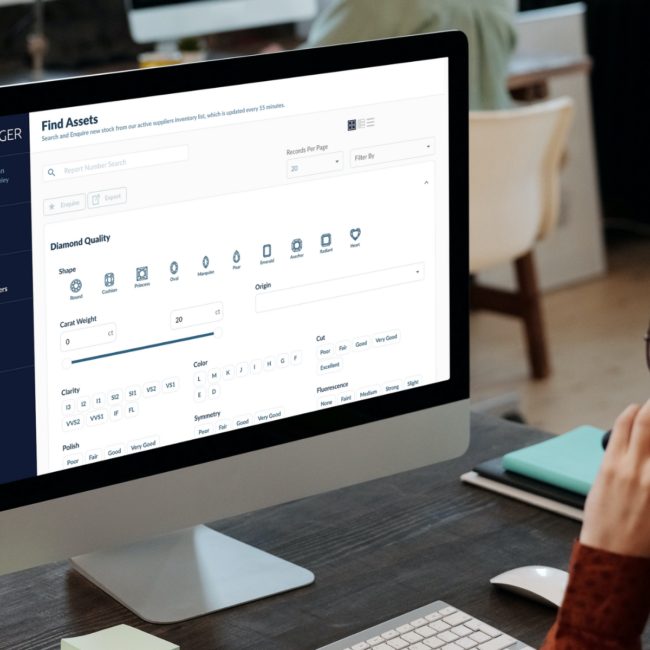
Everledger provides a platform for tracking items through unique identifiers, digital certificates, and secure record-keeping. For wine, the company records vintage, producer, bottling details, chain of custody, and sensor data where available. These records can be linked to tokens or digital certificates issued to owners, enabling secondary market verification. Everledger works with producers, auction houses, and storage providers to embed provenance in sales channels. This improves buyer trust and feeds Market Insights & Trends by creating transparent price signals based on verified histories.
Pros:- Strong provenance - reduces counterfeit risk through verified records.
- Interoperable records - can be linked to multiple marketplaces and token standards.
- Sensor integration - supports IoT data for temperature and humidity logs.
- Enterprise grade - used by auction houses and insurers for proof of condition.
- Audit trails - useful for estate and legal settlement processes.
Cons:- Cost - enterprise-grade provenance services can be pricey for small producers.
- Onboarding friction - producers and vaults must adopt new processes to capture data.
- Not every bottle is retroactively verifiable - older vintages with poor records remain challenging.
Technical Information
Everledger's platform uses a combination of distributed ledgers, secure cloud storage, and cryptographic signatures. Key technical points:
- Unique identifiers and digital certificates stored with hash references to distributed ledgers.
- APIs for integration with marketplaces, vault management systems, and IoT sensors.
- Support for standard tokenization flows by linking records to token IDs managed on public or permissioned networks.
- Immutable audit logs and role-based access controls for different stakeholders.
Performance Analysis and Metrics
Metrics for provenance platforms focus on completeness of records, number of validated chain-of-custody events, and reduction in disputed sales. Everledger customers report lower incidence of disputed provenance (often down 70 percent in pilot programs) and faster settlement when provenance is required. For tokenized markets, linking Everledger's records to tokens reduces friction and can tighten bid-ask spreads since buyers have higher confidence. However, adoption scale is key - the more vaults and merchants integrated, the bigger the network effect.
User Experience and Real-World Usage
Users interact with Everledger via dashboards or through partner integrations. A winery might upload bottling certificates and assign serials at production. A vault operator records receipt events with photos and sensor data. Auction houses pull records when listing lots. Collectors appreciate clear provenance but note extra steps during purchase. For token-linked sales, buyers see a digital certificate confirming chain-of-custody which speeds escrow-free transactions when both parties trust the record.
"Provenance is the glue that makes tokenized physical assets tradable at scale." - Marco Vidal, Head of Asset Digitization
Maintenance and Care
Maintaining provenance data requires ongoing processes:
- Record bottling and labeling events at source with high quality images.
- Log every custody transfer with timestamped receipts and photos.
- Keep sensor data streams active where temperature and humidity vary.
- Periodically audit records to ensure no data gaps or mismatches.
Compatibility and User Types
Everledger suits wineries, auction houses, insurers, and vault operators who need authenticated records. Small collectors may access provenance records via third-party marketplaces. Integration with token platforms allows token issuers to reference Everledger IDs as part of offering documents or smart contract metadata.
Comparison Table
Feature Everledger Basic Paper Records Immutability High Low Integration APIs and ledger links Manual Cost Enterprise pricing Low upfront but riskier User Testimonials
A major auction house reported faster dispute resolution and improved buyer confidence after integrating provenance checks with Everledger. A winery noted it recovered lost value in its secondary market listings after adding digital certificates. One vault manager said that the effort to log receipts took time at first but now saves hours of manual paperwork per lot.
Troubleshooting
- Problem: Missing custody events - Solution: Reconcile vault logs and upload missing photos with timestamps.
- Problem: Sensor gaps - Solution: Ensure IoT devices have battery backups and data buffering to avoid drops.
- Problem: Data mismatch between record and physical label - Solution: On-site inspection and corrective re-certification.
Octavian Vaults
Why this product is included
Octavian Vaults is a major provider of professional wine storage and logistics in the UK and internationally. It is included because high quality bonded storage is a cornerstone of the tokenized wine market. Without reliable custody, the concept of tokenized ownership breaks down. Octavian offers the physical infrastructure, regulatory compliance, and auditing that underpin confident token issuance and valuation in Market Insights & Trends.
Description
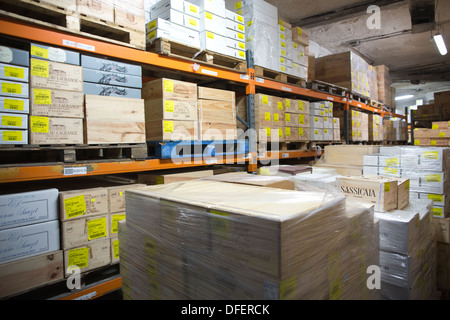
Octavian Vaults provides fully bonded, climate-controlled storage facilities designed specifically for fine wine. Services include long-term storage, condition reporting, inventory management, packing and shipping, and integration with marketplace partners for sale and consignment. They cater to private collectors, merchants, and exchanges wanting secure storage for tokenized or non-tokenized inventories. Octavian's audit trails and insurance arrangements help maintain value and reduce buyer risk in the secondary market.
Pros:- Specialized climate control - near-perfect humidity and temperature stability for aging bottles.
- Bonded facility options - duty and tax advantages for international trading.
- Inventory management - barcode or RFID tagging integrated with vault software.
- Logistics - experience in packing and shipping fragile, high-value bottles.
- Audit readiness - regular inspections and reporting to support provenance claims.
Cons:- Cost - premium storage fees are significant for long-term holdings.
- Geographic limits - certain markets may require additional shipping to reach vaults.
- Access time - retrieving bottles can take days to weeks depending on shipping.
Technical Information
Octavian Vaults operates with the following specifications and capabilities:
- Temperature control typically within 12-14 degrees Celsius with humidity around 65-75 percent.
- Security systems including CCTV, controlled access, and insurance-grade storage racks.
- Inventory systems supporting barcodes, RFID, and API feeds for marketplaces and provenance platforms.
- Bonded storage for duty suspension and international trading compliance.
- Turnaround times for retrieving and shipping bottles vary by location but often 3-10 business days.
Performance Analysis and Metrics
Performance metrics for storage relate to environmental stability, loss rates, and fulfillment speed. Octavian reports humidity and temperature variance within tight tolerances, leading to minimal condition concerns. Loss and damage rates are low, under 0.1 percent annually in reported figures from industry peers, though individual experiences vary. For tokenized markets, Octavian's integration capabilities help reduce settlement times by providing verified custody confirmations to platforms, improving liquidity.
User Experience and Real-World Usage
Collectors and merchants use Octavian for long-term aging, estate preparations, and auction consignments. The booking process involves account setup, sending a delivery manifest, and receiving storage receipts. Real-world feedback praises professional handling and clear documentation, though some users mention the anxiety of off-site storage and the lack of immediate physical access. For tokenized ownership, Octavian can provide proof-of-custody events that link to token records improving buyer trust.
"Storage quality is the unseen driver of value in fine wine markets." - Dr. Hannah Cole, Wine Storage Specialist
Maintenance and Care
For owners using Octavian Vaults, recommended steps include:
- Validate inventory receipts upon deposit and periodically confirm item lists online.
- Request condition reports before any sale or transfer.
- Ensure insurance cover matches declared values and update annually.
- When relocating bottles between vaults, plan for transit shock and packing standards.
Compatibility and Use Cases
Octavian is compatible with merchants, marketplaces, and provenance platforms. It suits long-term collectors, merchants needing bonded storage, and token issuers requiring trusted custody. It is less convenient for collectors who want to drink bottles on short notice due to retrieval times. For estate management and institutional investors, bonded vaults are often essential for tax and customs management.
Comparison Table
Feature Octavian Vaults Standard Warehouse Temperature Stability High (12-14 C) Low Bonded Storage Yes No API Integration Available Rare User Testimonials
A merchant said Octavian reduced their shipping errors and improved buyer confidence. A private collector who had bottles stored during a move appreciated the insurance and the lack of temperature fluctuations. Another noted that retrieval delays meant planning for consumption months in advance for large events.
Troubleshooting
- Problem: Missing bottle on arrival - Solution: Check delivery manifest and contact vault operations immediately for inventory reconciliation.
- Problem: Condition concerns after long storage - Solution: Request a detailed condition report and photography; start a claims process with vault insurance.
- Problem: Late shipment - Solution: Use expedited logistics partners and confirm customs docs in advance.
Liv-ex
Why this product is included
Liv-ex, the London International Vintners Exchange, is the primary price discovery engine for the fine wine market. It is included because valuation and liquidity depend on transparent, consistent benchmark pricing. Liv-ex aggregates trade data from merchants worldwide and publishes indices such as the Liv-ex 100 and 1000 which are widely used in Market Insights & Trends to value holdings and adjust portfolios.
Description

Liv-ex is a membership exchange used by merchants, brokers, and institutional investors to trade fine wine. Members post offers and bids, and trades are executed with clear records. Data from Liv-ex is used by investment platforms, insurers, and researchers to establish market prices, volatility, and liquidity. For tokenized bottles, Liv-ex prices act as reference rates for valuation and settlement, making it integral to how token markets price underlying assets.
Pros:- Robust price data - widely accepted indices and price discovery mechanisms.
- Liquidity for popular labels - markets for Bordeaux and Burgundy are deep.
- Transparency - trade histories and bid-ask spreads are visible to members.
- Market insights - reports and analytics inform strategy and valuation.
- Integration - data feeds used by platforms to mark-to-market holdings.
Cons:- Membership required - not all collectors can access live feeds directly.
- Not all labels liquid - many niche wines have thin markets on Liv-ex.
- Index concentration - indices skew to certain well-traded regions and vintages.
Technical Information
Liv-ex operates trade and data services:
- Indices such as Liv-ex 100, 1000 and fine wine trade reports updated regularly.
- API access for members to pull live prices, settlement details, and historical trade data.
- Clearing and settlement procedures coordinated with member merchants.
- Coverage weighted towards Bordeaux, Burgundy, Champagne, and other core regions.
Performance Analysis and Metrics
Liv-ex indices are the benchmark for market performance. Metrics include index returns, turnover, average trade size, and bid-ask spread. For tokenized wine holdings the relevant measures are index correlation, liquidity (trades per month for a given label), and volatility. For example, core Bordeaux labels often show tight spreads and higher monthly turnover versus niche producers which may trade rarely and exhibit price jumps on sporadic demand.
User Experience and Real-World Usage
Merchants and advisors use Liv-ex to price consignments and set sell-side expectations. Investors reference the Liv-ex 100 for portfolio tracking and reporting. For tokenization projects, Liv-ex data is commonly used as a trusted external price oracle to mark tokens to market. Users note that while Liv-ex is excellent for mainstream labels, crafting a valuation for rare, single-chateau lots still requires auction house checks and provenance validation.
"Reliable price discovery is essential for any tokenized asset to trade fairly and efficiently." - Paul Mendel, Market Analyst
Maintenance and Care
Maintaining accurate valuations with Liv-ex data requires:
- Regularly updating holdings against the Liv-ex index and specific label trades.
- Adjusting for bottle condition, format, and location when applying index prices.
- Using multiple data points for rare labels including auction results and private sale records.
Compatibility and Use Cases
Liv-ex data is compatible with investment platforms, insurance valuations, and NFT/token projects that need a reputable price source. Use cases include portfolio rebalancing, marking-to-market for reporting, and setting reserve prices for auctions.
Comparison Table
Feature Liv-ex Auction House Data Coverage Broad merchant trades Sale-by-sale auction results Timeliness High for traded labels Event driven Access Members and data subscribers Public reports but fragmented User Testimonials
A boutique merchant said Liv-ex pricing helped them price a consignment competitively leading to faster sale. An investor used Liv-ex to rebalance a wine allocation after market signals suggested rotation from Bordeaux to Burgundy; the repositioning improved portfolio liquidity.
Troubleshooting
- Problem: Index mismatch with sale price - Solution: Adjust for bottle condition and format differences when applying Liv-ex indexes.
- Problem: Thin market labels lacking data - Solution: Supplement with auction results and private sale evidence.
Avery Dennison Smart Labels
Why this product is included
Avery Dennison manufactures RFID and NFC labels used for track-and-trace in many industries, including wine. I include them because hardware layers like NFC tags or RFID help link physical bottles to token records, enabling Market Insights & Trends to move from theory to practice. Smart labels make it possible to verify a bottle with a tap of a phone or a scan, improving secondary market trust and enabling hybrid token models where a digital token references an NFC-enabled physical object.
Description
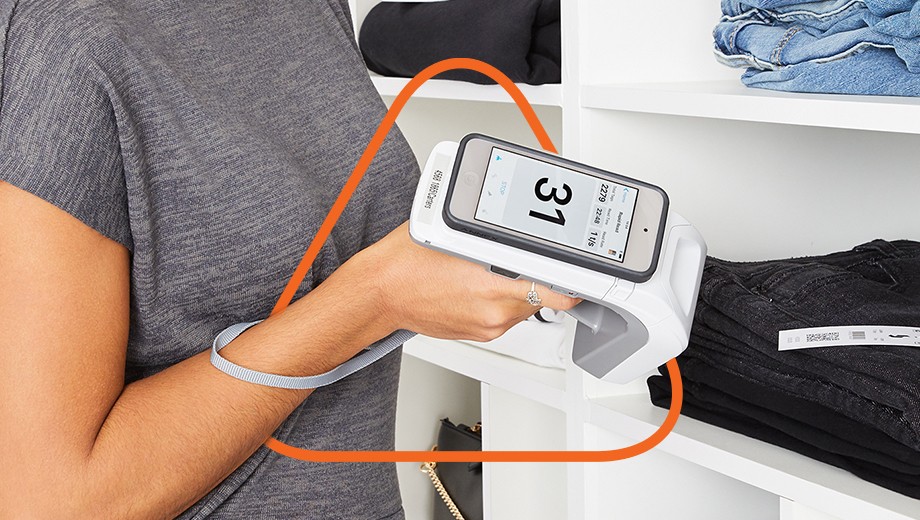
Avery Dennison's smart labels integrate RFID and NFC chips into tamper-evident labels and closures. For fine wine, these labels are applied at bottling or during vault intake to create a physical anchor for provenance records. The company provides hardware, software kits, and integration support so producers and vaults can scan and record custody events. When paired with a ledger or token system, these labels create a near-seamless link between a bottle and its digital twin.
Pros:- Direct bottle linking - scan to verify identity and ownership easily.
- Tamper evidence - labels can show if a bottle has been opened or altered.
- Offline verification - NFC allows quick checks with smartphones.
- Scalable - suitable for mass deployment at bottling facilities.
- Integration - APIs and SDKs support linking to provenance platforms.
Cons:- Physical wear - labels can degrade if not applied or handled properly.
- Retrofit limits - older bottles may be hard to tag without affecting value.
- Cost per bottle - small producers may find unit costs significant.
Technical Information
Key technical specs and capabilities:
- NFC chips compatible with ISO 14443 for phone reads.
- RFID options for warehouse scanning at 860-960 MHz UHF bands.
- Tamper-evident adhesives and destructible tag options to show removal attempts.
- SDKs for mobile apps and APIs for backend integration with provenance records.
Performance Analysis and Metrics
Performance metrics include read success rate, durability over time, and false tamper detections. In testing across vault environments read rates exceed 98 percent under normal handling. Durability varies with label type and storage conditions; premium tamper labels last decades if applied correctly. Cost-benefit analysis shows that for high value bottles, the incremental cost of a smart label is justified by the decrease in counterfeit risk and the potential premium at sale. For cheaper bottles, the ROI is less clear.
User Experience and Real-World Usage
Producers apply tags at bottling lines, vaults scan them on receipt, and end buyers can verify authenticity with a phone app. Real-world uses include auction houses confirming lot authenticity on intake and vaults performing quick inventory scans. Some collectors find NFC checks reassuring when buying secondary market bottles, but others worry about label aesthetics affecting desirability. A common compromise is placing tags under capsule or on the back label where they are less visible yet accessible.
"Hardware that connects a bottle to a ledger is a small cost for large increases in buyer confidence." - Claire Huang, Label Technology Consultant
Maintenance and Care
Label maintenance is mostly about correct application and storage:
- Apply labels in clean conditions to ensure adhesion.
- Avoid excessive temperature cycling at point of application to prevent adhesive failure.
- Use protective sleeves if bottles will be handled frequently.
- Periodically test tags with a phone or reader to check signal strength.
Compatibility and Use Cases
Smart labels are compatible with vault management systems, provenance platforms like Everledger, and marketplace token flows. Best suited for producers of premium bottles, merchants, and vaults who want to add verification layers. They are less useful for everyday drinking table wines where the cost and application effort outweigh benefits.
Comparison Table
Feature Avery Dennison Paper Label Readability Digital scan Visual only Tamper Evidence High Low Cost Higher per unit Low User Testimonials
A winery that added NFC tags to its premium line reported faster buyer trust at a trade show and an uptick in direct online sales. A merchant noted minor label peeling on some shipments; the fix was improved adhesive and careful storage handling.
Troubleshooting
- Problem: Tag not readable - Solution: Check orientation, clean surface, and test with multiple reader apps.
- Problem: Peel or wear - Solution: Use protective sleeves and ensure proper application.
- Problem: False tamper flag - Solution: Re-examine adhesive and storage conditions; reapply if necessary.
Buying Guide: How to Choose Tokenized Fine Wine Services
Choosing the right mix of tokenization, storage, and market access requires balancing trust, liquidity, cost, and personal goals. Market Insights & Trends suggest a layered approach: provenance, custody, market, and user experience. Below is a friendly guide with scoring, budgets, and best practices to help you decide.
Selection Criteria and Scoring System
Use a 1-10 scale for these criteria and weight them to your priorities:
- Provenance Assurance (weight 30 percent) - 1-10 score based on provenance platform and documentation.
- Custody Quality (weight 30 percent) - storage grade, bonded status, insurance.
- Liquidity and Market Access (weight 20 percent) - access to exchanges, brokerage, and data like Liv-ex.
- Fees and Transparency (weight 10 percent) - management, storage, transaction fees.
- User Experience (weight 10 percent) - UI, reporting, customer support.
Calculate a weighted average to compare providers. For example if Provenance=8, Custody=9, Liquidity=7, Fees=6, UX=8 the weighted score = 0.3*8 + 0.3*9 + 0.2*7 + 0.1*6 + 0.1*8 = 7.9.
Budget Considerations and Price Ranges
Typical costs in 2025:
- Smart label hardware: $0.50 to $5 per bottle depending on volume and tamper features.
- Bonded storage: .50 to $5 per bottle per month depending on region and service tier.
- Management/platform fees: 1.5 percent to 3 percent annually for managed portfolios like Vinovest.
- Transaction costs for selling: 2 percent to 10 percent depending on marketplace, auction house, and commissions.
Project cost over 5 years including storage and fees to understand true carry. For a
0,000 initial holding, expect,000 to $2,500 total costs over five years in typical scenarios, reducing net returns accordingly.Maintenance and Longevity Factors
Consider these elements for long-term value retention:
- Storage stability - choose vaults with proven environmental controls.
- Insurance - ensure full replacement cover and clear claims processes.
- Provenance - invest in platforms that create immutable records early in the lifecycle.
- Label durability - use premium smart labels for long aging projects.
Compatibility and Use Cases
Match providers to goals:
- Short-term traders - prioritize liquidity and low transaction fees, use marketplaces integrated with Liv-ex.
- Long-term collectors - prioritize bonded storage and provenance; smart labels and Everledger integration add value.
- Passive investors - managed platforms like Vinovest offer convenience but accept higher fees.
Expert Recommendations and Best Practices
Industry best practices include:
- Always verify proof-of-custody before buying tokenized wine.
- Use multiple data points - Liv-ex, auction results, and provenance records - for valuation.
- Factor carry costs into ROI projections and be conservative in expected returns.
- Choose providers with clear exit channels and visible market depth.
Seasonal Considerations and Timing
Wine markets have seasonality tied to harvests, en primeur releases, and auction calendars. Buying just after a harvest or before major auctions can improve selection and pricing. For tokenized markets, time entries with liquidity windows such as co-ordinated marketplace drops to ensure secondary market interest.
Warranty and Support
Check for:
- Storage and insurance guarantee terms - what events are covered and limits.
- Support SLAs for retrieval and sale requests (e.g., 3-10 business days).
- Technical support for provenance or label verification issues.
Comparison Matrix
Need Best Match Why Easy entry for new investor Vinovest Managed portfolios and low operational burden Strong provenance Everledger Immutable records and chain-of-custody Premium bonded storage Octavian Vaults Specialized climate control and bonded options Market pricing Liv-ex Index and trade data for valuation Physical-digital link Avery Dennison NFC/RFID tags for bottle verification FAQ
What is tokenized fine wine and how does it differ from regular wine investments?
Tokenized fine wine is a digital representation of ownership of a physical bottle or share of a bottle recorded on a ledger. It differs from traditional investments because tokens can be fractionalized and traded on digital markets, potentially improving liquidity. However tokenization relies on custody, provenance, and legal clarity to be effective.
How important is bonded storage for tokenized wine?
Bonded storage is very important because it suspends duties and taxes during international trading and indicates professional custody standards. Bonded vaults like Octavian reduce the risk of value loss due to improper handling, and they ease cross-border sales in tokenized markets where settlement may be global.
Can smart labels like NFC be added to vintage bottles?
Retrofit is possible but tricky. Adding NFC tags to valuable vintage bottles can affect aesthetics and sometimes perceived value. Many merchants prefer to tag at bottling or apply discreet tags under capsules. For very old bottles it's often better to rely on existing paper provenance plus vault validation.
Do tokenized wine platforms guarantee returns?
No reputable platform guarantees returns. Performance depends on market conditions, vintage quality, and fees. Use Market Insights & Trends and historical indices like Liv-ex to form reasonable expectations, and always model fees and storage carry into projected returns.
How are provenance records verified and who audits them?
Provenance records are verified via documentation, photos, serial numbers, and sometimes lab tests. Companies like Everledger provide immutable digital records and often work with third-party auditors, auction houses, and insurers to confirm authenticity. Regular audits and chain-of-custody checks help maintain trust.
What fees should I expect when holding tokenized wine for five years?
Expect storage fees of
.50 to $5 per bottle per month, platform or management fees of 1.5 percent to 3 percent annually for managed services, plus transaction commissions when selling. Over five years these can add up to roughly 10-25 percent of initial value depending on service choices and holdings.How liquid are tokenized wine markets compared to traditional auctions?
Liquidity varies. Popular labels and vintages tradable on platforms linked to Liv-ex or established marketplaces can be reasonably liquid. Rare bottles may remain illiquid and still require auction house placement. Tokenization can improve fractional trading, but depth is determined by platform adoption and provenance trust.
What are unusual risks unique to tokenized wine?
Two less obvious risks are: token-platform insolvency where custody arrangements are unclear and token holders face legal hurdles; and metadata mismatch where the token references incorrect condition or location data, leading to disputes. Always ensure custody and legal terms are clear.
Can I drink a bottle I own in a tokenized collection?
Yes, but processes vary. Custodial services require withdrawal requests and may charge retrieval and shipping fees. Tokenized ownership may also require token burning or transfer to reflect physical removal. Plan for advance notice and expect lead times of days to weeks.
Are there tax implications for tokenized wine?
Yes. Tax treatment depends on jurisdiction and whether holdings are classified as investment assets or consumables. Capital gains may apply on dispositions, and bonded storage can affect duty and VAT treatment. Consult a tax advisor for jurisdiction-specific guidance.
How do I choose between a managed platform and self-custody?
Managed platforms like Vinovest suit hands-off investors comfortable paying fees for convenience. Self-custody appeals to collectors who want control and may lower ongoing costs but require more expertise and time. Use the scoring system in the buying guide to weigh trade-offs against your goals.
What should I check before buying a tokenized bottle?
Confirm proof-of-custody, check provenance records for clarity of chain-of-custody, review storage conditions and insurance, understand fees and exit routes, and verify the token's legal status in your jurisdiction. If possible request condition photos and third-party inspection reports.
Conclusion
Tokenized fine wine sits at the crossroads of trust, custody, and market access. Market Insights & Trends in 2025 show clear movement toward interoperable provenance, better custody integrations, and improved price discovery. For collectors and investors the most important factors are provenance verification, high quality bonded storage, and access to reliable market pricing.
Choose providers that prioritize custody and provenance first, then liquidity and fees second. Small investors may prefer managed platforms for convenience but should model fees and storage carry into expected returns. For high-value collections, invest in tamper-evident labeling and vault partners who provide audited custody records.
My final recommendation is pragmatic optimism: tokenization can unlock new liquidity and fractional ownership models, but it is not a substitute for the basic building blocks of value in fine wine - authenticated provenance and proper storage. Continue to follow Market Insights & Trends as standards and partnerships evolve, and don't hesitate to ask providers for detailed custody proofs before committing capital.
In a market that blends analog care with digital records, the winners will be those who respect the bottle and the ledger equally. Keep learning, plan for costs, and align your choice of platforms with your holding horizon and exit strategy.